
Wake Forest researchers Christina Hugenschmidt and Christina Soriano discuss their IMPROVment® program, which uses improvisational dance to improve balance, mood, and brain health in older adults with neurodegenerative disease.
Neuroscience & Society
Neuroscience & Society
Brain-based diseases, including neurodegenerative disease and addiction, are increasing at an exponential rate. Rapid advancements in technologies like social media and artificial intelligence impact our sense of self, our social interactions, and our mental health. Societal and environmental concerns may alter quality of life. In light of all these concerns, the time is now for a new approach to neuroscience. At Wake Forest University, we believe that understanding the brain requires more than advancing neuroscience alone. When cutting-edge brain science is brought into conversation with the arts and humanities, social science, ethics, law, and lived experience, we gain a fuller picture of how the mind works, how behavior and meaning are shaped, and how wellbeing is created.
Wake Forest embraces a holistic approach to neuroscience and society — one that connects scientific insight with ethical reflection, community partnership, and a deep appreciation for the human experience.
Our neuroscience and society initiative explores who we are and how we relate to one another; is guided by equity, creativity, dignity, and justice; partners with communities in inquiry;and strengthens our ability to meet the challenges of our time with wisdom and empathy.
This vision means:
- Connecting neural mechanisms with the social, environmental, and narrative contexts that shape cognition, emotion, and identity.
- Uniting brain science with the arts, humanities, ethics, and law to illuminate the full complexity of mind, behavior, and lived experience.
- Listening first and recognizing that discoveries are most powerful when grounded in relationships of trust, reciprocity, and cultural understanding.
- Embedding ethical inquiry and policy leadership into neuroscience research, technology development, and clinical practice.
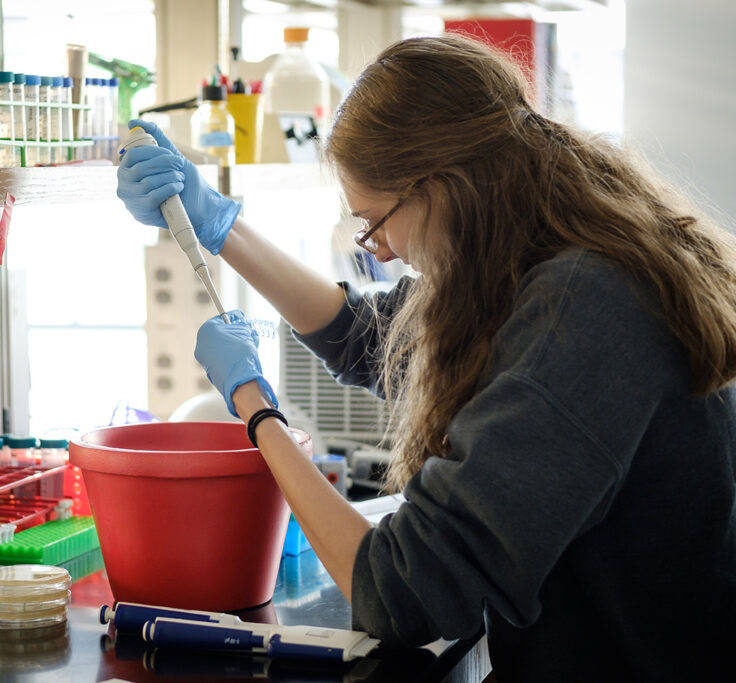
Wake Forest University sits at a rare and powerful intersection: a world-class medical center, a vibrant liberal arts college, and a deep institutional commitment to ethics, equity, and human flourishing. Together, these assets create an unparalleled foundation for the Neuroscience & Society initiative — one that understands the brain not in isolation, but in full relationship with the arts, humanities, law, lived experience, and the communities we serve. (Click to learn more.)
This initiative is anchored by robust biomedical research strengths in the School of Medicine, including long-standing leadership in substance-use disorder, aging, and Alzheimer’s disease, supported by the Translational Science Center: Fostering Independence in Aging, the Claude D. Pepper Older Americans Independence Center, and the Sticht Center for Healthy Aging and Alzheimer’s Prevention.
The remarkable breadth of faculty engagement — spanning medicine, psychology, law, divinity, business, the arts, and the humanities — drives three interconnected focus areas: Neurohealth, Neuroarts, and Neurohumanities, Neuroethics & Neurolaw. Wake Forest’s pioneering work in Neuroarts, recognized globally through selection as a finalist for the 2025 Global Arts Prize and membership in the international Neuroarts Academic Network, exemplifies how the university transforms scientific rigor into real-world impact. Grounded in deep community partnerships and ethical inquiry through the Center for Bioethics, Health, and Society, and supported by a new undergraduate Neuroscience major launching in Fall 2026, this initiative advances a vision of brain science that is inseparable from the human experience it seeks to illuminate.
Explore the Forest
More than a dozen programs and centers are advancing this work.

Stories
Showing up & taking action
-
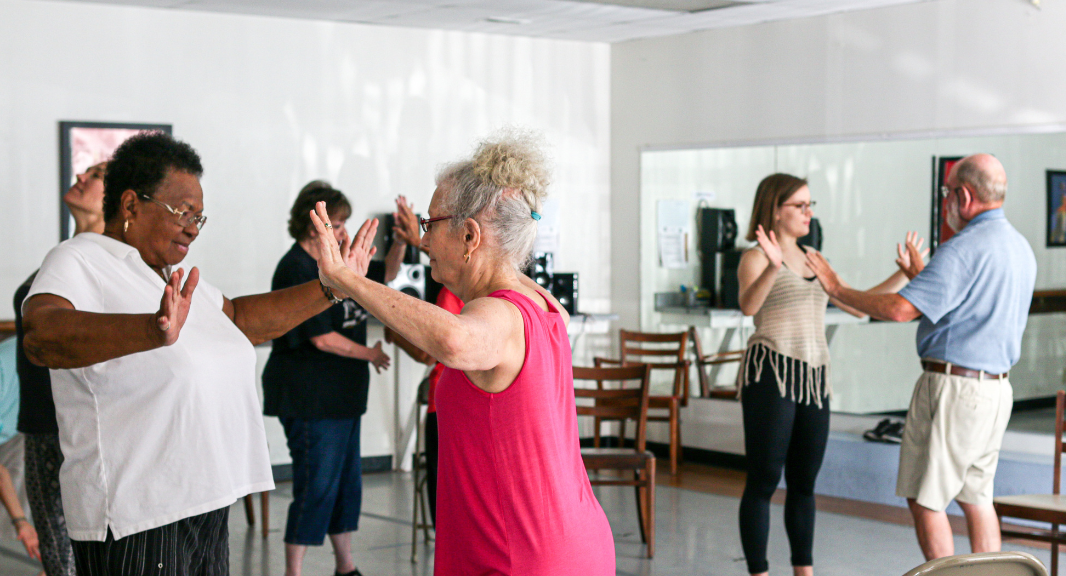
How Improvisational Movement and Dance Affect the Brain
-
Using Noninvasive Brainwave Technology to Treat PTSD Symptoms
A Wake Forest pilot study found that HIRREM — a noninvasive acoustic brainwave-mirroring technology — significantly reduced PTSD symptoms and improved heart rate variability in military veterans.
-

Beyond the screen: Digital literacy and brain health
Watching his kindergartener play on a school playground, Alan Brown, director of the Wake Forest Center for Literacy Education, found the theme for this year’s Visiting Scholars Speaker Series.
-

Neuroscience + arts take center stage in health and wellness
Wake Forest is proving that the arts are a critical tool for medical recovery and cognitive health.
-
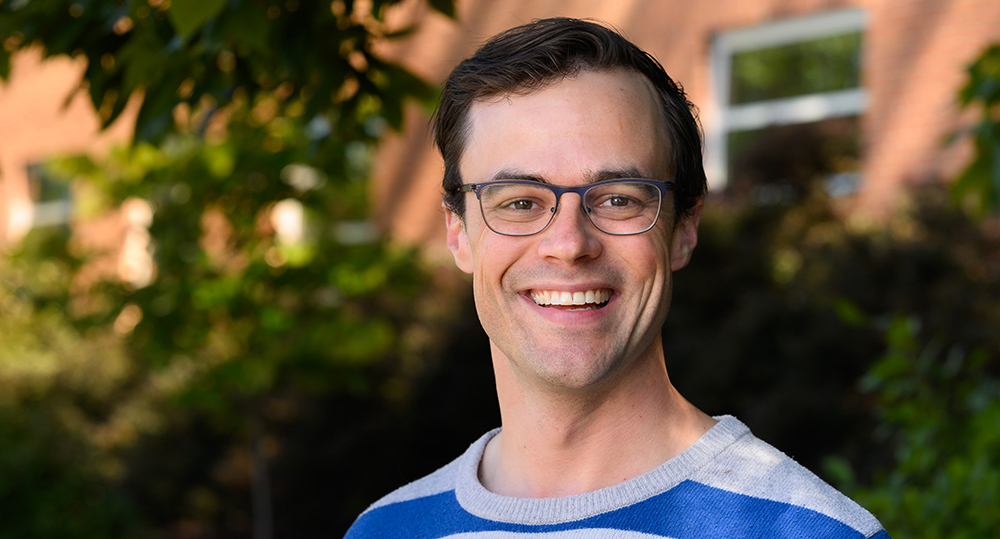
Don’t call it exercise
Wake Forest researcher Jason Fanning explains why framing physical activity as “movement” — not “exercise” — is key to helping older adults build lasting healthy habits and reduce chronic pain.
-
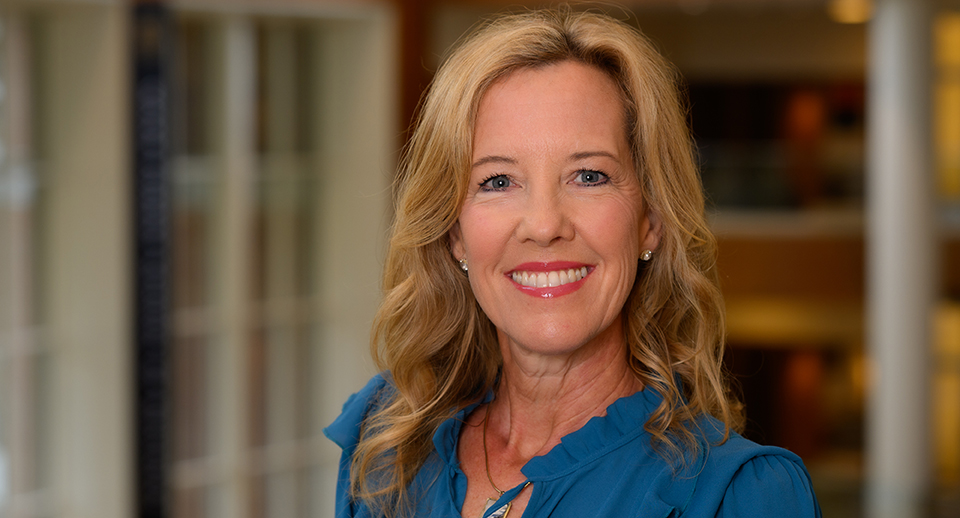
Who’s Remembering to Buy the Eggs?
Wake Forest management professor Julie Holliday Wayne’s research reveals that women carry about 80% of the “invisible family load” — the unseen managerial, cognitive, and emotional work of running a household — but finds surprising upsides too.
-
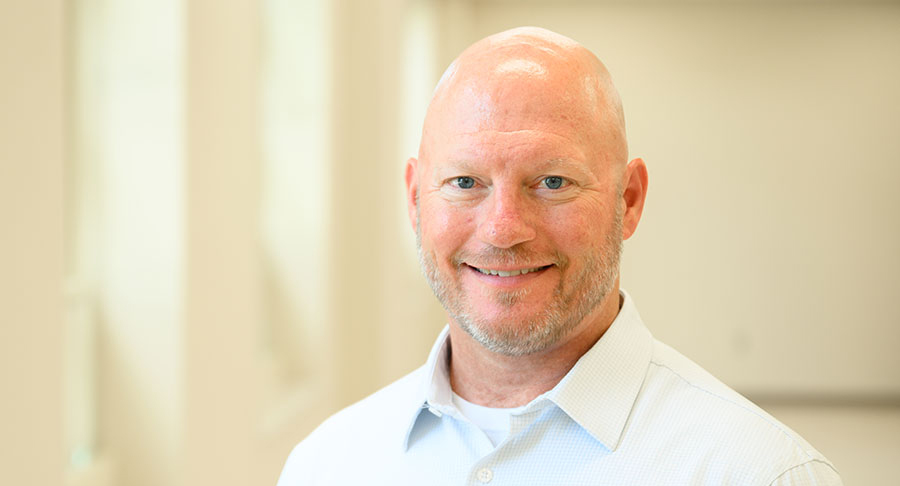
U.S. POINTER Study Shows Lifestyle Changes Improve Brain Health in Older Adults
The landmark two-year U.S. POINTER trial, co-designed by Wake Forest’s Jeffrey Katula and Laura Baker, found that structured lifestyle interventions targeting exercise, diet, and cognitive challenge significantly improved cognition in older adults at risk for Alzheimer’s.
-
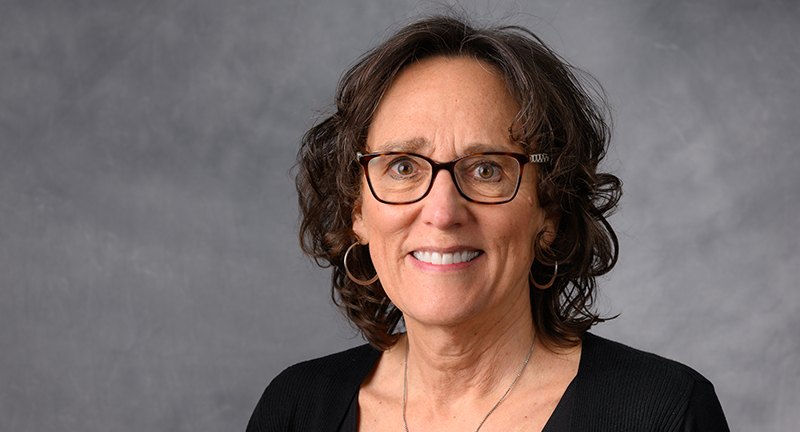
Teens Aren’t the Problem. Stereotypes Are.
Wake Forest developmental psychologist Christy Buchanan explains how negative stereotypes about adolescents create confirmation bias that undermines parenting confidence, strains parent-teen relationships, and causes parents to miss the majority of positive teen behaviors.
-
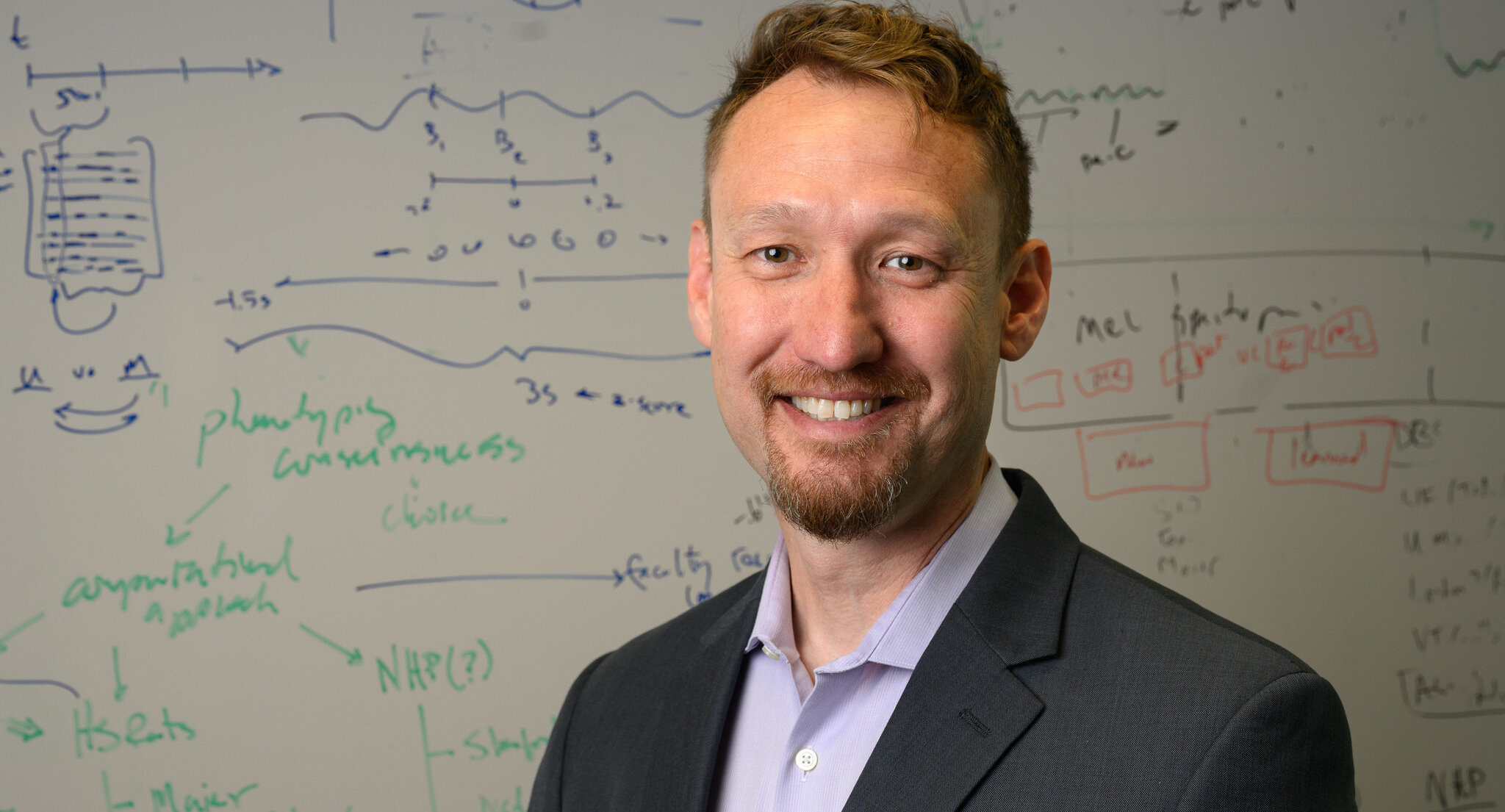
Kenneth Kishida Named Inaugural Boswell Presidential Endowed Chair of Neuroscience and Society at Wake Forest
Wake Forest named Kenneth Kishida, Ph.D. — renowned for measuring dopamine and serotonin in real time in awake human brains — as the inaugural Boswell Chair, anchoring the University’s new interdisciplinary Neuroscience and Society initiative.
-

Study Shows How Your Expectations Affect Your Brain
A Wake Forest and East China Normal University fMRI study found that spicy food lovers and haters activate entirely different brain regions in response to the same sauces — illuminating the neural basis of the placebo effect.
-
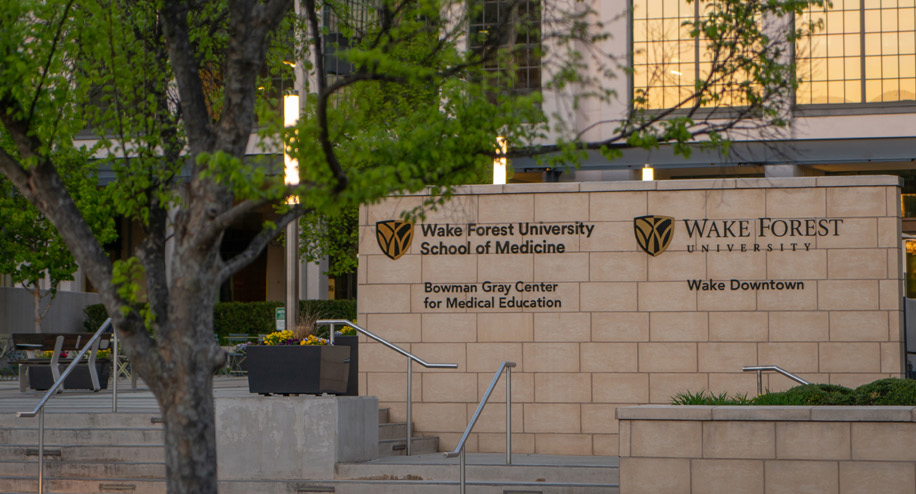
NIH Awards Wake Forest University School of Medicine $27 Million to Study Vascular Health and Its Impact on Cognition
A five-year, $27 million NIH renewal grant funds MESA-MIND, a multi-ethnic study examining how cardiovascular and vascular risk factors contribute to Alzheimer’s disease and related dementias.
-

How the Performing Arts Can Teach Kids Concepts in Science
Wake Forest University partners with Speas Elementary in Winston-Salem for the Theatre in Education program, where Wake Forest students use movement and performance to teach second graders core science standards.