
Psychology professor Anthony Sali explains how the brain doesn’t truly multitask — it switches between tasks — and why that rapid switching carries cognitive costs that vary with learning, anxiety, and context.
Neuroscience & Society
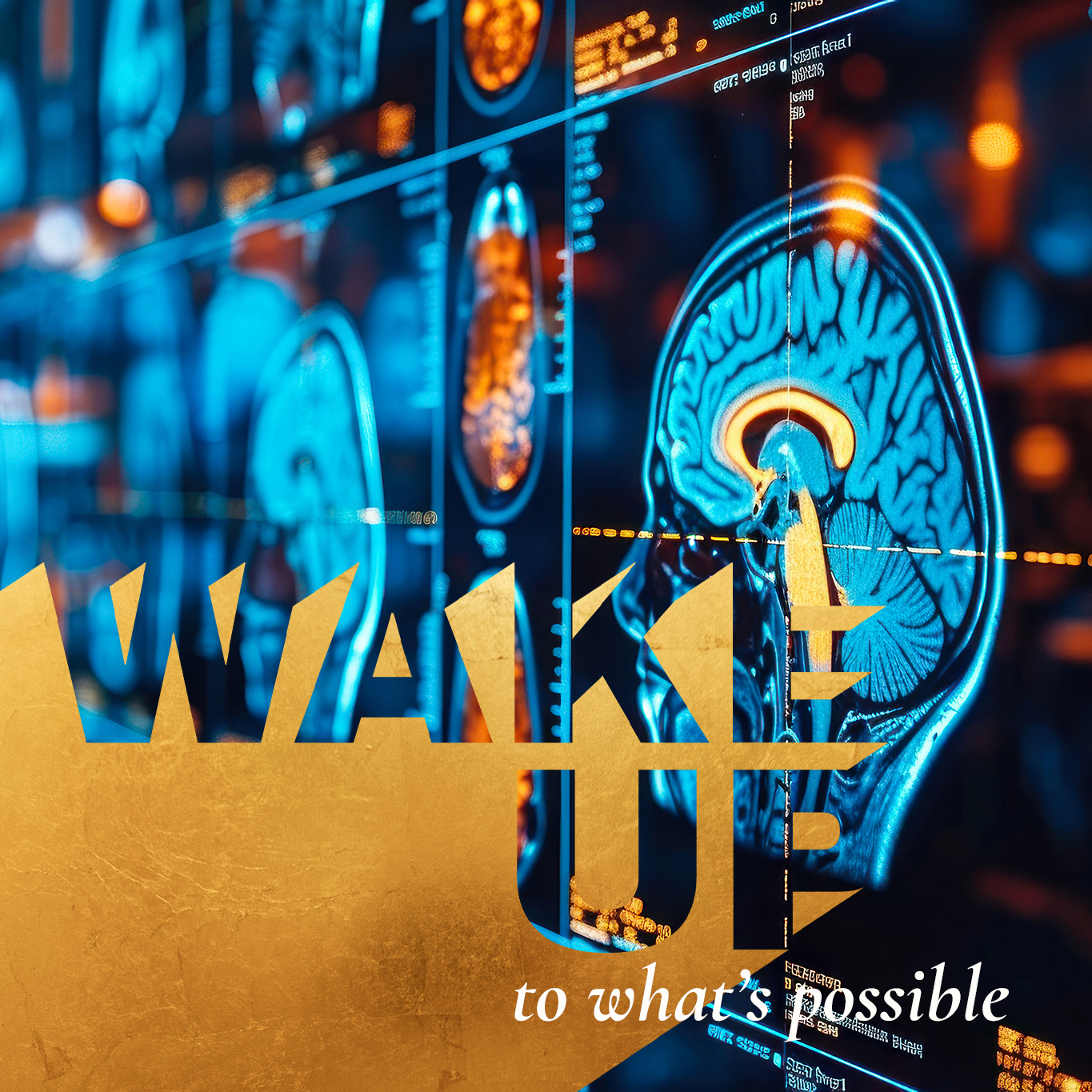
Neuroscience & Society
Brain-based diseases, including neurodegenerative disease and addiction, are increasing at an exponential rate. Rapid advancements in technologies like social media and artificial intelligence impact our sense of self, our social interactions, and our mental health. Societal and environmental concerns may alter quality of life. In light of all these concerns, the time is now for a new approach to neuroscience. At Wake Forest University, we believe that understanding the brain requires more than advancing neuroscience alone. When cutting-edge brain science is brought into conversation with the arts and humanities, social science, ethics, law, and lived experience, we gain a fuller picture of how the mind works, how behavior and meaning are shaped, and how wellbeing is created.
Wake Forest embraces a holistic approach to neuroscience and society — one that connects scientific insight with ethical reflection, community partnership, and a deep appreciation for the human experience.
Our neuroscience and society initiative explores who we are and how we relate to one another; is guided by equity, creativity, dignity, and justice; partners with communities in inquiry;and strengthens our ability to meet the challenges of our time with wisdom and empathy.
This vision means:
- Connecting neural mechanisms with the social, environmental, and narrative contexts that shape cognition, emotion, and identity.
- Uniting brain science with the arts, humanities, ethics, and law to illuminate the full complexity of mind, behavior, and lived experience.
- Listening first and recognizing that discoveries are most powerful when grounded in relationships of trust, reciprocity, and cultural understanding.
- Embedding ethical inquiry and policy leadership into neuroscience research, technology development, and clinical practice.
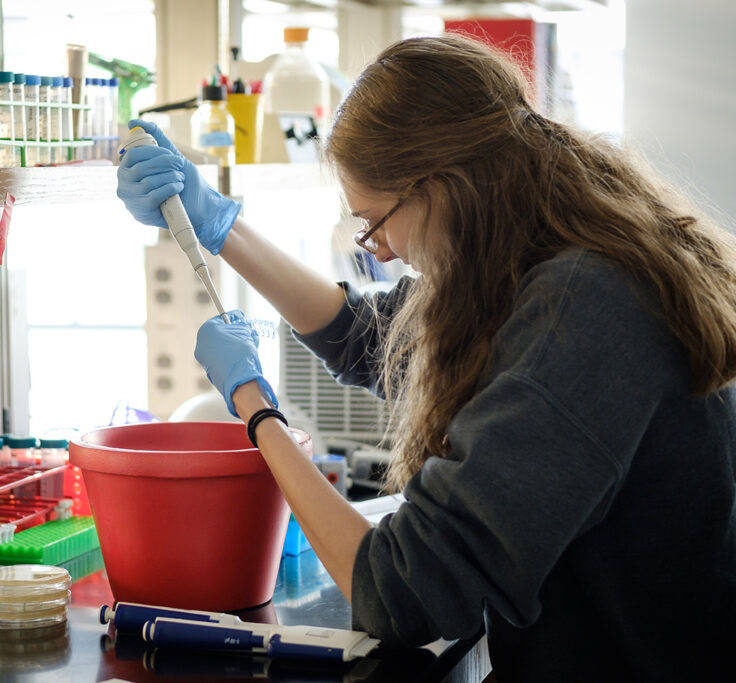
Wake Forest University sits at a rare and powerful intersection: a world-class medical center, a vibrant liberal arts college, and a deep institutional commitment to ethics, equity, and human flourishing. Together, these assets create an unparalleled foundation for the Neuroscience & Society initiative — one that understands the brain not in isolation, but in full relationship with the arts, humanities, law, lived experience, and the communities we serve. (Click to learn more.)
This initiative is anchored by robust biomedical research strengths in the School of Medicine, including long-standing leadership in substance-use disorder, aging, and Alzheimer’s disease, supported by the Translational Science Center: Fostering Independence in Aging, the Claude D. Pepper Older Americans Independence Center, and the Sticht Center for Healthy Aging and Alzheimer’s Prevention.
The remarkable breadth of faculty engagement — spanning medicine, psychology, law, divinity, business, the arts, and the humanities — drives three interconnected focus areas: Neurohealth, Neuroarts, and Neurohumanities, Neuroethics & Neurolaw. Wake Forest’s pioneering work in Neuroarts, recognized globally through selection as a finalist for the 2025 Global Arts Prize and membership in the international Neuroarts Academic Network, exemplifies how the university transforms scientific rigor into real-world impact. Grounded in deep community partnerships and ethical inquiry through the Center for Bioethics, Health, and Society, and supported by a new undergraduate Neuroscience major launching in Fall 2026, this initiative advances a vision of brain science that is inseparable from the human experience it seeks to illuminate.
Explore the Forest
More than a dozen programs and centers are advancing this work.
Stories
Showing up & taking action
-
The ‘Switch Cost’ of Multitasking
-

Computer Scientist Wins NSF CAREER Award to Advance Alzheimer’s Research Using AI
Assistant professor Minghan Chen received a five-year, $500,000 NSF CAREER award to develop an AI framework called Neuron Twin that models how Alzheimer’s disease spreads across brain networks to improve early diagnosis and treatment.
-

Helping College Students Find a Way to Belong
A Wake Forest study of 4,753 first-year students found extroverts and agreeable students felt stronger campus belonging, while emotionally unstable students struggled — with important implications for how colleges design first-year programming.
-

How Often Do You Lie? Deception Researchers Investigate How the Recipient and the Medium Affect Telling the Truth
Research shows lying is rarer than assumed — most people tell few lies daily, with half of all lies coming from just 5% of participants — and surprisingly, email produces fewer lies than face-to-face or video chat.
-

Being Humble About What You Know Is Just One Part of What Makes You a Good Thinker
Wake Forest psychology professor Eranda Jayawickreme argues that intellectual humility alone isn’t enough for good thinking — curiosity, open-mindedness, carefulness, and a genuine love of knowledge are equally essential traits to cultivate.
-

When Facing Difficult Life Experiences, Study Shows Coping Strategies Matter
A Wake Forest study co-authored by undergraduates found that older adults who processed COVID-19 experiences through redemptive thinking — finding silver linings — reported significantly higher wellbeing than those who did not.
-
Feeling Disoriented by the Election, Pandemic and Everything Else? It’s Called Zozobra, and Mexican Philosophers Have Some Advice
“Zozobra” — a Mexican philosophical concept describing the anxiety of being unable to settle into a single worldview — offers a framework for understanding the disorientation many Americans feel amid political upheaval, pandemic, and social fragmentation.
-

Hold the Mustard: What Makes Spiders Fussy Eaters?
Wake Forest sensory neuroscientists found that wolf spiders react strongly to allyl isothiocyanate — the compound in mustard and wasabi — by grooming frantically and dropping prey, suggesting spiders share TRP chemical-detection channels with mammals.
-
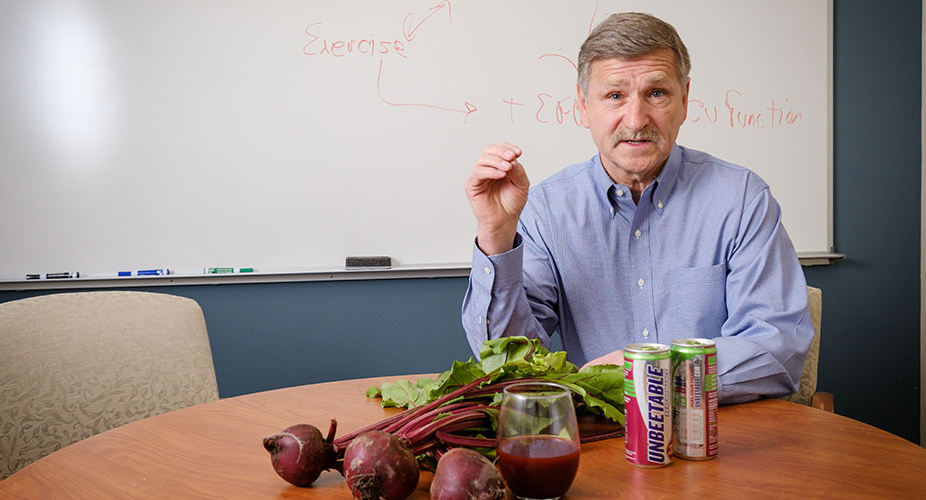
With Beetroot Juice Before Exercise, Aging Brains Look ‘Younger’
A Wake Forest study found that older adults who drank beetroot juice before moderate exercise showed brain connectivity patterns resembling those of younger adults, suggesting diet and exercise together may protect brain health in aging.