
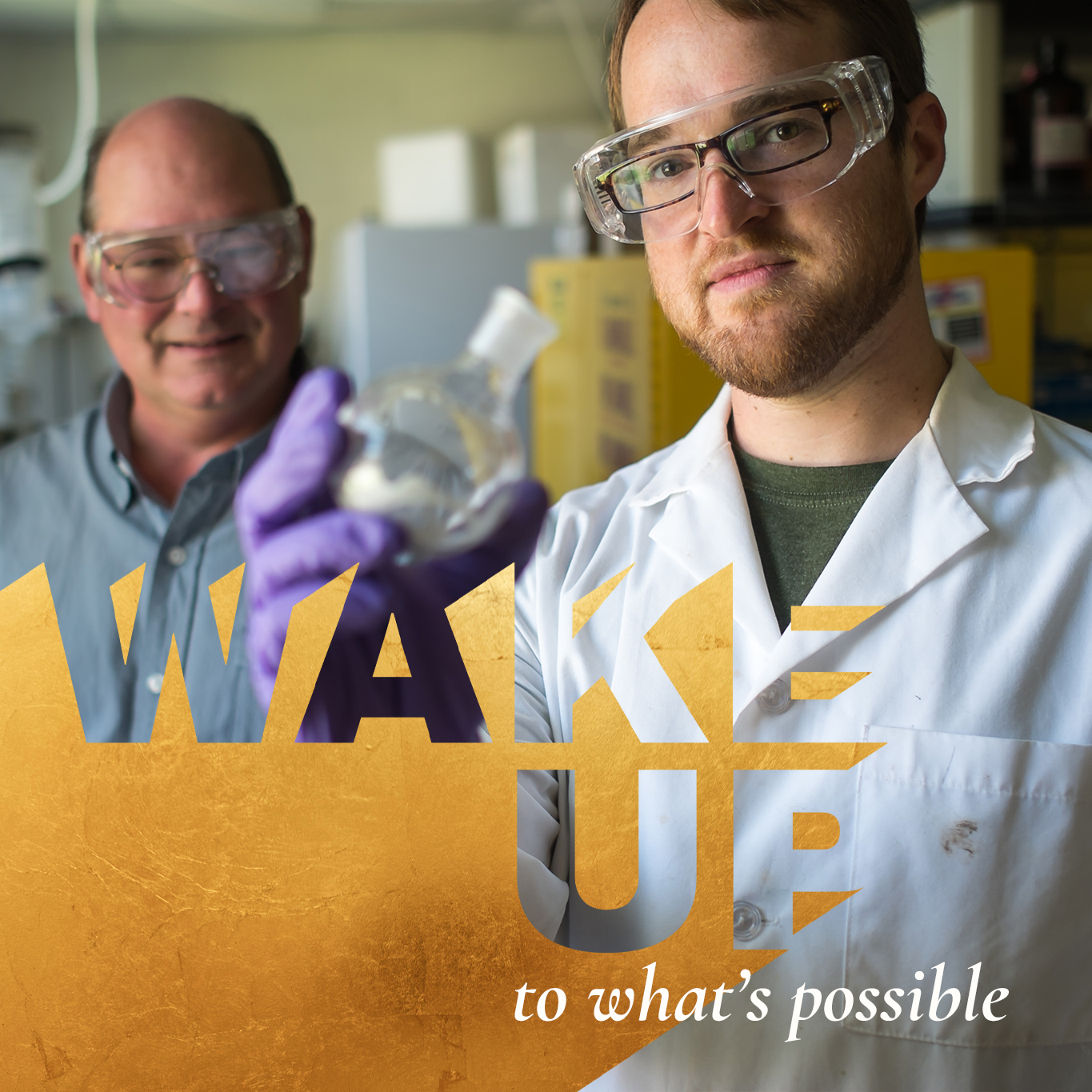
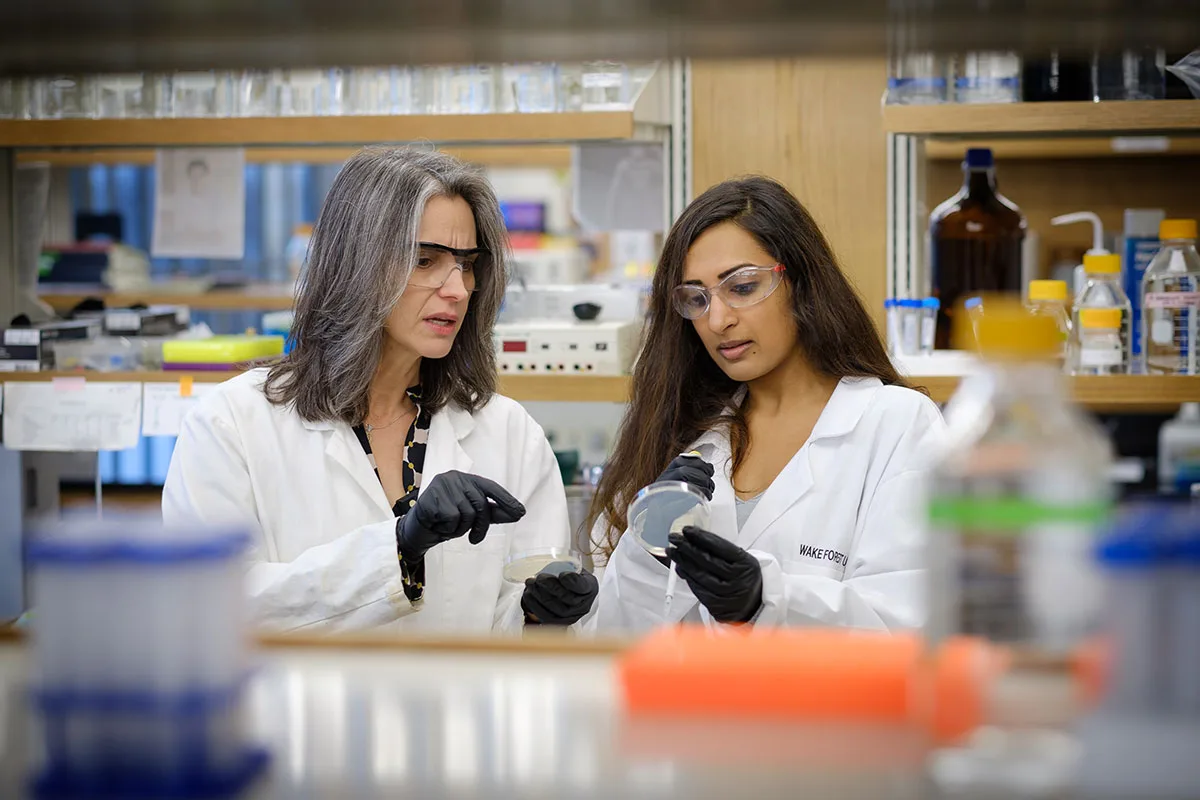
Research underway in the lab of Rebecca Alexander, professor in Wake Forest University’s Department of Chemistry, is shedding light on a peculiar human bacteria, Mycoplasma penetrans.
Health, Medicine & Humanity
Health, Medicine & Humanity
Health and medicine face challenges that are more complex than ever, shaped by rapid advances in science and technology, fragmented systems of care, and shifting social and environmental conditions. Traditional biomedical approaches alone cannot resolve chronic disease, mental health concerns, addiction, or broken trust in health systems, nor can they address the broader social and structural factors that influence health across communities.
The Health, Medicine, and Humanity (HMH) Initiative begins from the recognition that health is shaped not only by biology, but also by lived experience, place, culture, systems, and story. Grounded in the guiding principle of Pro Humanitate, HMH advances innovative, community-responsive models that place ethics, policy, creativity, and partnership at the heart of research, education, and practice.
Through this work, Wake Forest envisions a future in which science, medicine, ethics, and the humanities and arts are inseparably linked to advance individual and community health, well-being, and shared knowledge.
This vision means:
- Deeply integrating medicine, social sciences, ethics, policy, and the arts/humanities through cross-campus and community partnerships to advance whole-person and whole-community well-being.
- Listening first by recognizing that the most meaningful breakthroughs emerge from relationships of trust, mutual learning, and accountability.
- Joining laboratory and data-driven science with the lived conditions that shape health, from housing and nutrition to belonging, stigma, and environmental context.
- Embedding ethical reflection and policy leadership throughout research, education, and clinical practice so that innovation and implementation advance the health and wellbeing of all
- Strengthening trust in health research and systems through openness, humility, compassion, and reciprocal partnership with patients, communities, and collaborators.

Wake Forest University is recognized nationally and globally as a university in which knowledge, empathy, and ethical reflection converge to transform education, research, and health for the flourishing of all. (Click to learn more.)
Wake Forest uniquely integrates a premier liberal arts foundation with a world-class medical center, creating a research ecosystem where health, medicine, and the humanities converge to solve complex human challenges. This synergy is anchored by the Department of Health and Exercise Science (HES), the Claude D. Pepper Older Americans Independence Center, the Sticht Center for Healthy Aging and Alzheimer’s Prevention, an NCI-designated Comprehensive Cancer Center, and the Wake Forest Institute for Regenerative Medicine (WFIRM). These core entities are empowered by interdisciplinary hubs such as the Clinical and Translational Science Institute (CTSI), Wake Downtown, and the Center for Bioethics, Health, and Society (CBHS), ensuring that discovery is never siloed but shared across the institution.
At the forefront of global health, Wake Forest leads transformative research in Alzheimer’s disease, aging and mobility, cancer, and neurosciences. Our commitment to real-world application is best exemplified by the Department of Health and Exercise Science and the Department of Implementation Science, which bridge the gap between laboratory breakthroughs and rural or underserved communities. Whether through landmark clinical trials for cognitive health or innovative treatments for chronic disease, our researchers focus on the “science of the hand-off,” ensuring that medical advancements translate into measurable improvements in public health.
Beyond the data, Wake Forest humanizes the clinical experience through the Story-telling, Health, and Healing Initiative (SHHI), a national leader in narrative medicine that improves both patient outcomes and practitioner well-being. This focus on the human condition is further guarded by the CBHS, which provides critical ethical oversight for emerging frontiers like AI and regenerative medicine. This holistic approach extends to our students through the M-PATHS advising model, integrating mindfulness and character development into pre-health training. Guided by our Pro Humanitate motto, Wake Forest ensures that its leadership in health—from equitable commercialization through Wake Forest Innovations to compassionate dementia care—remains rooted in character, equity, and the common good.
Explore the Forest
More than 25 programs and centers are advancing this work.
Stories
Showing up & taking action
-
How do human pathogens adapt? New Wake Forest research holds some clues
-

Depression and stress feed long-term fatigue in breast cancer patients
For breast cancer survivors, new research shows that feelings of depression and perceptions of psychological stress make the biggest difference in whether they experience fatigue up to two years after chemotherapy started.
-
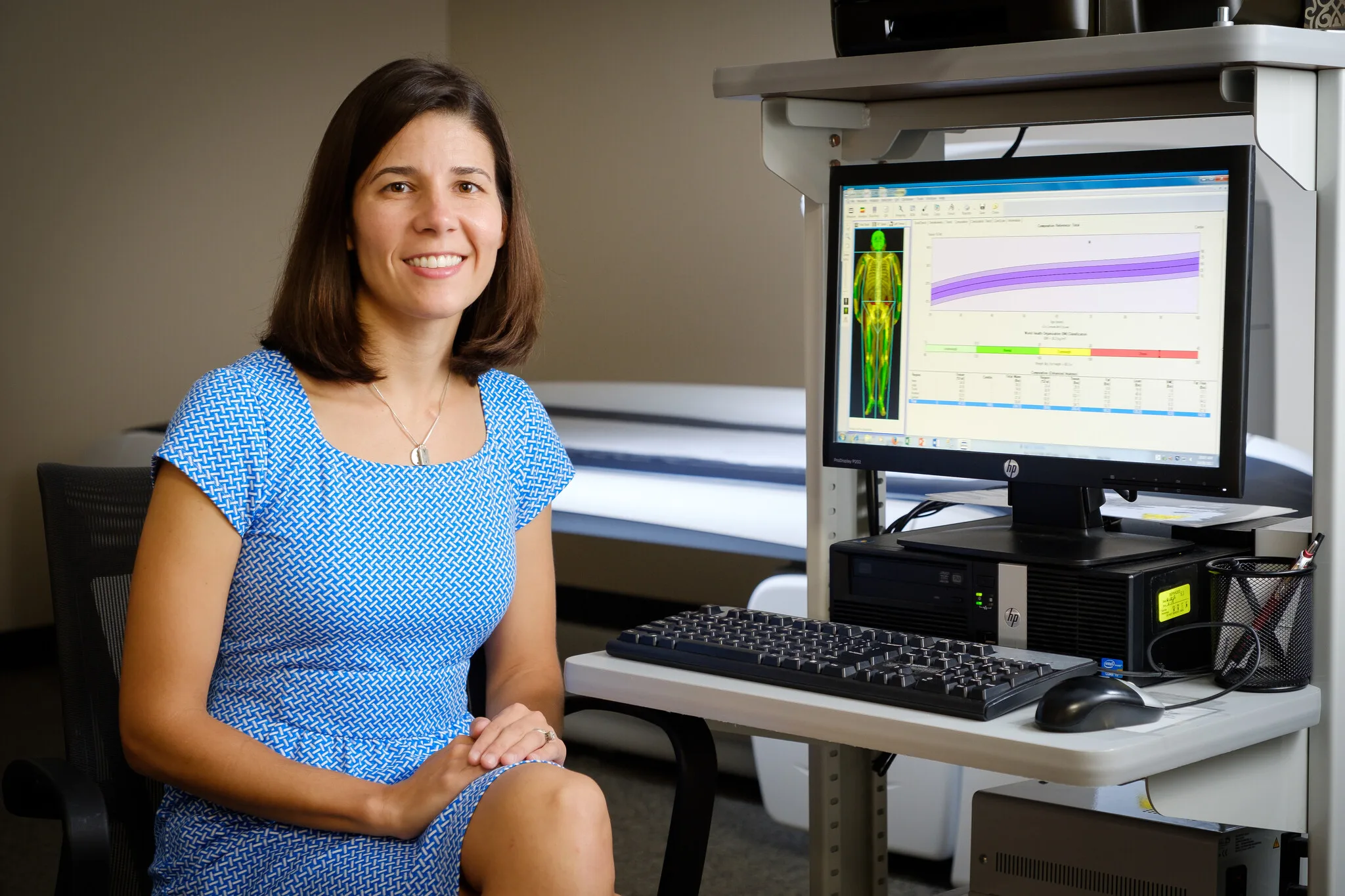
Kristen Beavers receives prestigious National Institutes of Health grant
With a passion for advancing healthy aging, Professor Kristen Beavers recently received a five-year National Institutes of Health (NIH) grant totaling more than $800,000 to enhance research and educational capacity in emerging areas related to aging, obesity, and body composition at Wake Forest University.
-
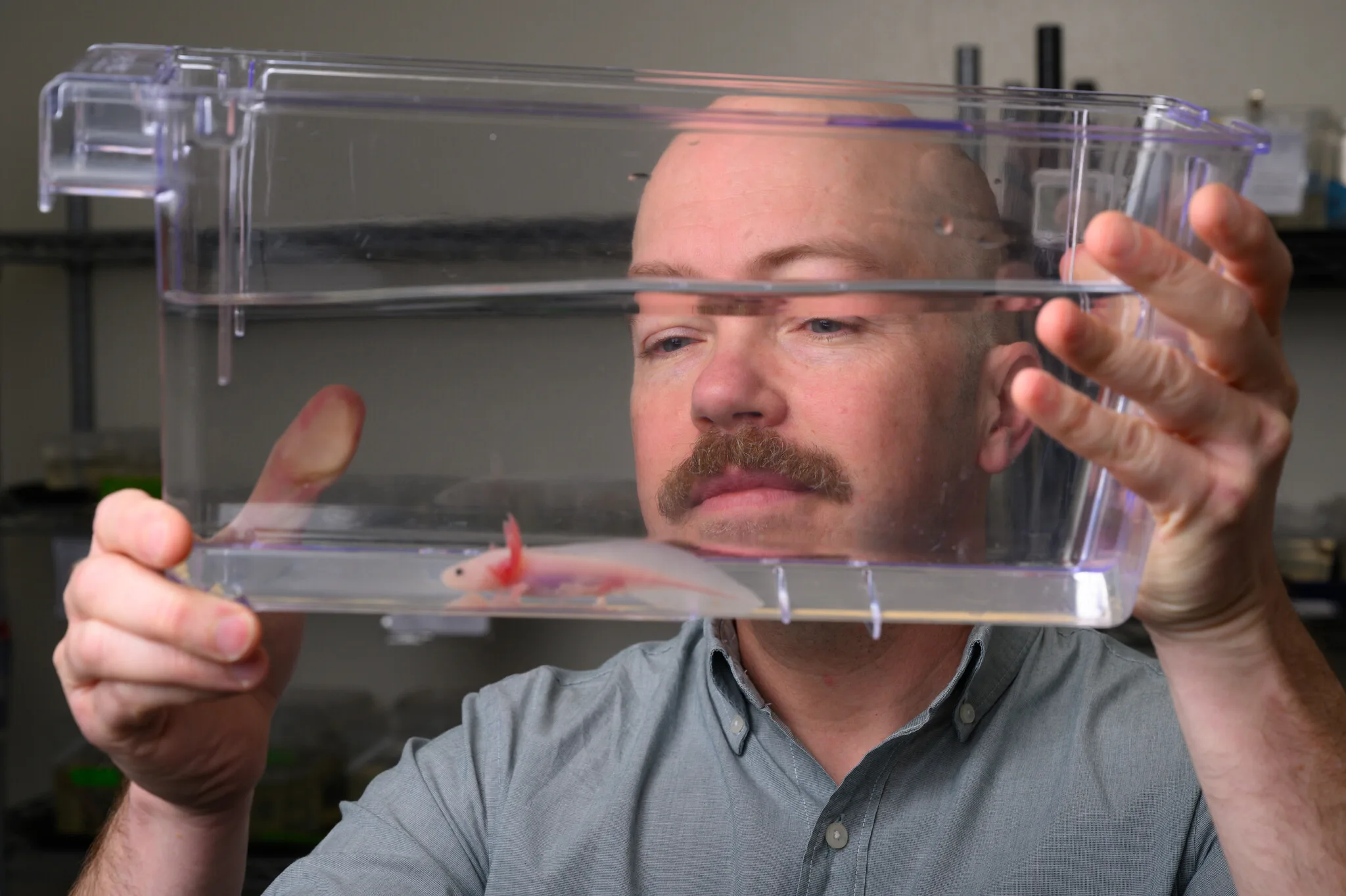
These salamanders may hold the key to human tissue and limb regeneration
While a treatment that regrows lost limbs in humans remains many years away, the research of Wake Forest University’s Josh Currie has brought the goal one step closer.
-

Could Medicare GLP-1 Bridge lead to bone problems?
The new Medicare GLP-1 Bridge program offers broader, more affordable access to weight loss drugs to address the growing obesity crisis. But there’s a catch when it comes to bone health.
The rapid, substantial weight loss from GLP-1 use can amplify the loss of bone and muscle that occurs when older adults lose weight, said Kristen Beavers, a Wake Forest University expert on aging, obesity and bone health. Lose too much bone mass, and it increases the risk for fractures, disability and loss of independence.
-
WFIRM Team Discovers Gene Pattern That Could Help Doctors Identify Ebola Faster and More Accurately
WINSTON-SALEM, N.C., April 29, 2026 — Researchers at the Wake Forest Institute for Regenerative Medicine (WFIRM) have made an important discovery that could help doctors tell Ebola apart from other infections more quickly. The findings were published in Frontiers in Genetics.
-
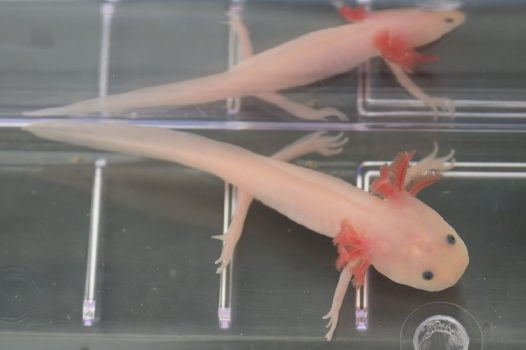
For regrowing human limbs, this salamander gene could hold the key
Investigating a common gene in three very different species – salamanders, mice and zebrafish – scientists have discovered the potential for a novel gene therapy aimed at eventually regrowing limbs in humans, according to new research.
-

Chemistry professor Bruce King honored as AAAS Fellow
Thurman D. Kitchin Professor of Chemistry Bruce King was recently named as an American Association for the Advancement of Science (AAAS) Fellow. Being selected as an AAAS Fellow is a lifetime honor that recognizes long-time members whose work inspires and celebrates scientific excellence.
-

Medicine and the Military
Timothy Sell, PhD, PT, has been awarded $4.5 million from the Department of Defense to better understand and provide recommendations on injury prevention through physical interventions and equipment modifications.
-

Keeping Youth Athletes Safe
Joel Stitzel, PhD, and Jillian Urban, PhD, are pioneering research that improves the safety of youth football on and off the field.
-

Mentorship and Collaboration in Research
What leads to a successful lab? Collaboration. If you take a look into the Solberg-Woods Lab that is what you will see. Mackenzie Fitzpatrick, a fourth-year Molecular Medicine and Translational Science PhD student, shared that the collaborative environment is part of what initially drew her to the Solberg Woods Lab. This lab is composed of researchers at different levels of their careers – this mix helps add to the labs success – and is focused on identifying genes involved in traits associated with obesity and type two diabetes.
-
AI: The Future of Health Care
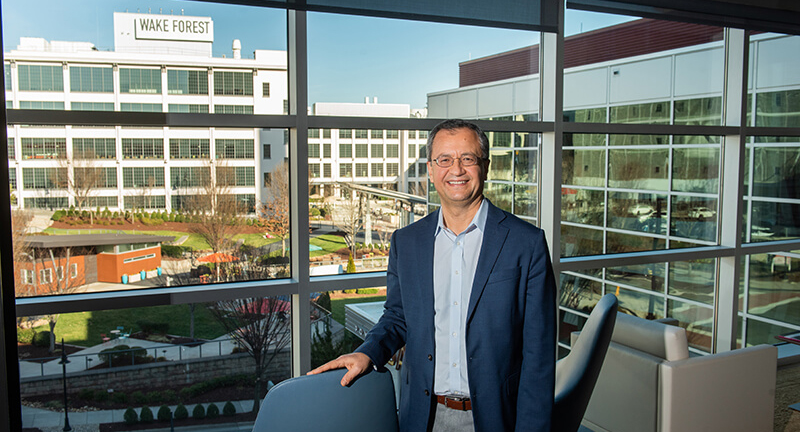
Metin Nafi Gurcan, PhD, leads Wake Forest’s Center for Artificial Intelligence Research, using AI to improve health equity, predict maternal mortality risk, and accelerate cancer care diagnostics.