
Two Wake Forest University School of Medicine researchers are among 15 innovation pioneers who will be honored in the 2026 class of National Inventors Hall of Fame ® Inductees
Health, Medicine & Humanity
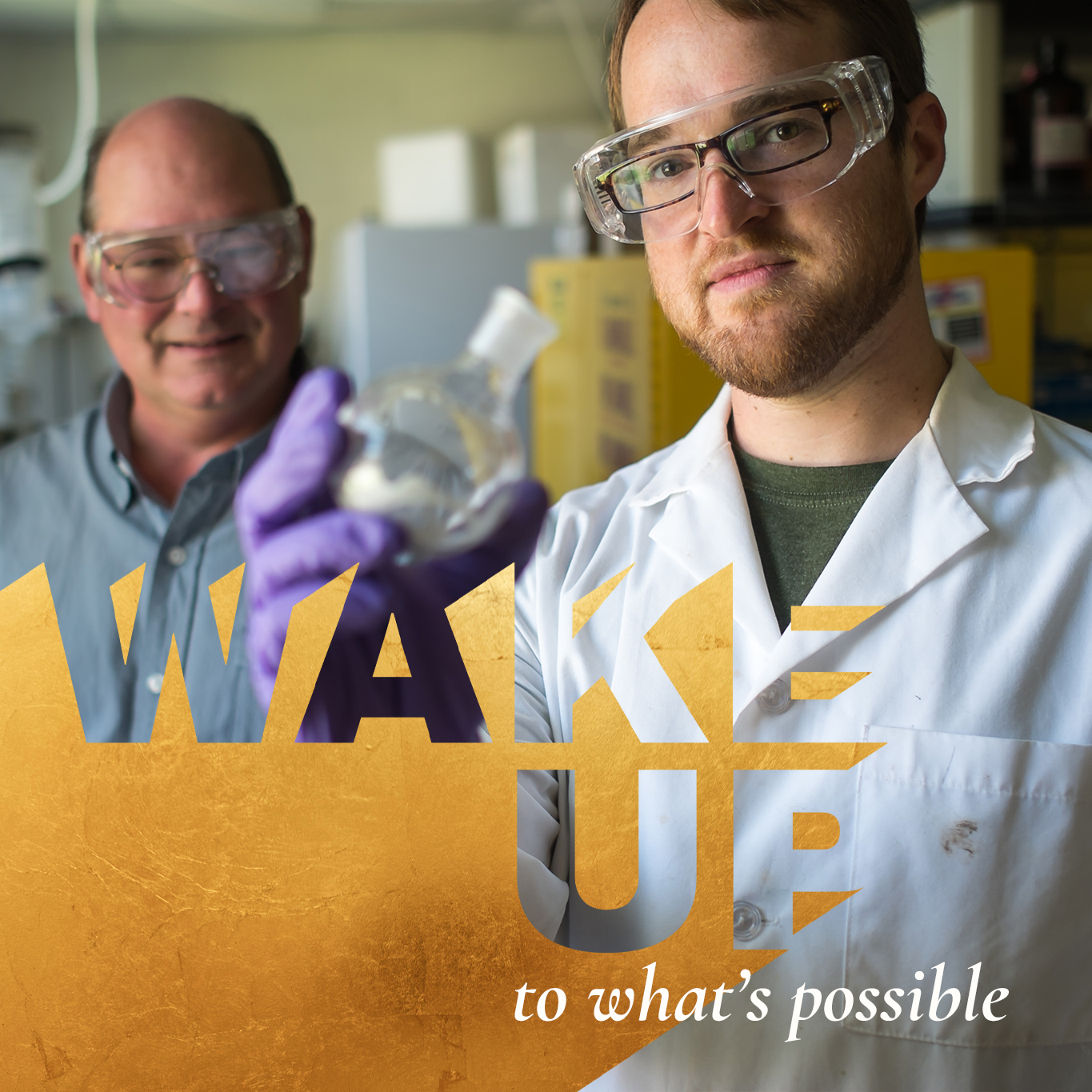
Health, Medicine & Humanity
Health and medicine face challenges that are more complex than ever, shaped by rapid advances in science and technology, fragmented systems of care, and shifting social and environmental conditions. Traditional biomedical approaches alone cannot resolve chronic disease, mental health concerns, addiction, or broken trust in health systems, nor can they address the broader social and structural factors that influence health across communities.
The Health, Medicine, and Humanity (HMH) Initiative begins from the recognition that health is shaped not only by biology, but also by lived experience, place, culture, systems, and story. Grounded in the guiding principle of Pro Humanitate, HMH advances innovative, community-responsive models that place ethics, policy, creativity, and partnership at the heart of research, education, and practice.
Through this work, Wake Forest envisions a future in which science, medicine, ethics, and the humanities and arts are inseparably linked to advance individual and community health, well-being, and shared knowledge.
This vision means:
- Deeply integrating medicine, social sciences, ethics, policy, and the arts/humanities through cross-campus and community partnerships to advance whole-person and whole-community well-being.
- Listening first by recognizing that the most meaningful breakthroughs emerge from relationships of trust, mutual learning, and accountability.
- Joining laboratory and data-driven science with the lived conditions that shape health, from housing and nutrition to belonging, stigma, and environmental context.
- Embedding ethical reflection and policy leadership throughout research, education, and clinical practice so that innovation and implementation advance the health and wellbeing of all
- Strengthening trust in health research and systems through openness, humility, compassion, and reciprocal partnership with patients, communities, and collaborators.

Wake Forest University is recognized nationally and globally as a university in which knowledge, empathy, and ethical reflection converge to transform education, research, and health for the flourishing of all. (Click to learn more.)
Wake Forest uniquely integrates a premier liberal arts foundation with a world-class medical center, creating a research ecosystem where health, medicine, and the humanities converge to solve complex human challenges. This synergy is anchored by the Department of Health and Exercise Science (HES), the Claude D. Pepper Older Americans Independence Center, the Sticht Center for Healthy Aging and Alzheimer’s Prevention, an NCI-designated Comprehensive Cancer Center, and the Wake Forest Institute for Regenerative Medicine (WFIRM). These core entities are empowered by interdisciplinary hubs such as the Clinical and Translational Science Institute (CTSI), Wake Downtown, and the Center for Bioethics, Health, and Society (CBHS), ensuring that discovery is never siloed but shared across the institution.
At the forefront of global health, Wake Forest leads transformative research in Alzheimer’s disease, aging and mobility, cancer, and neurosciences. Our commitment to real-world application is best exemplified by the Department of Health and Exercise Science and the Department of Implementation Science, which bridge the gap between laboratory breakthroughs and rural or underserved communities. Whether through landmark clinical trials for cognitive health or innovative treatments for chronic disease, our researchers focus on the “science of the hand-off,” ensuring that medical advancements translate into measurable improvements in public health.
Beyond the data, Wake Forest humanizes the clinical experience through the Story-telling, Health, and Healing Initiative (SHHI), a national leader in narrative medicine that improves both patient outcomes and practitioner well-being. This focus on the human condition is further guarded by the CBHS, which provides critical ethical oversight for emerging frontiers like AI and regenerative medicine. This holistic approach extends to our students through the M-PATHS advising model, integrating mindfulness and character development into pre-health training. Guided by our Pro Humanitate motto, Wake Forest ensures that its leadership in health—from equitable commercialization through Wake Forest Innovations to compassionate dementia care—remains rooted in character, equity, and the common good.
Explore the Forest
More than 25 programs and centers are advancing this work.
Stories
Showing up & taking action
-
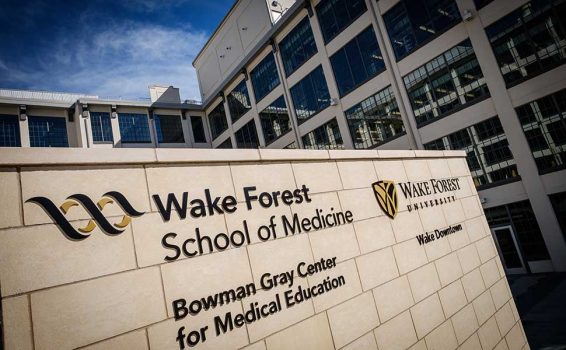
National Inventors Hall of Fame announces 2026 inductees
-
Research Exploration: From Genetic Disorders to NASA Wellness
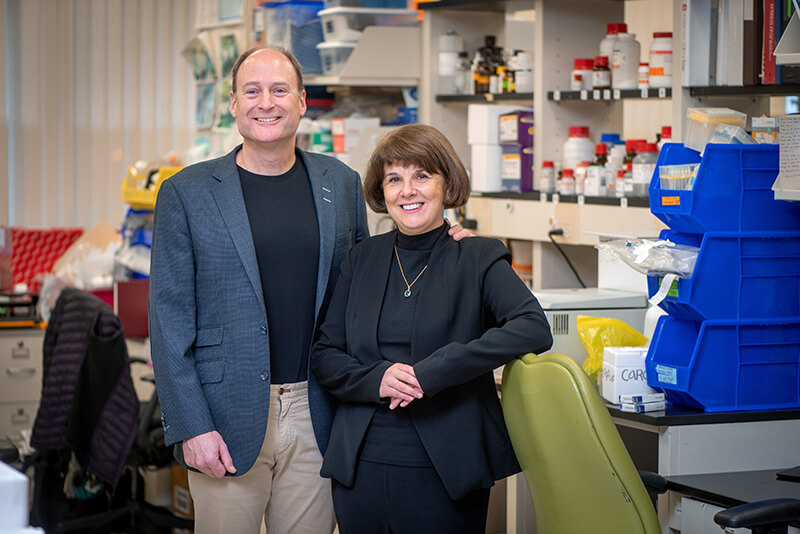
Graça Almeida-Porada, MD, PhD, professor at Wake Forest Institute for Regenerative Medicine (WFIRM) and Christopher Porada, PhD, professor at WFIRM, lead the Porada Lab. Not only are they working to advance the outcomes of stem cell transplantation and gene therapy in fetal and neonatal patients with genetic disorders; they’re also working with NASA on how to mitigate the health risks of astronauts and space radiation exposure.
-
Don’t call it exercise
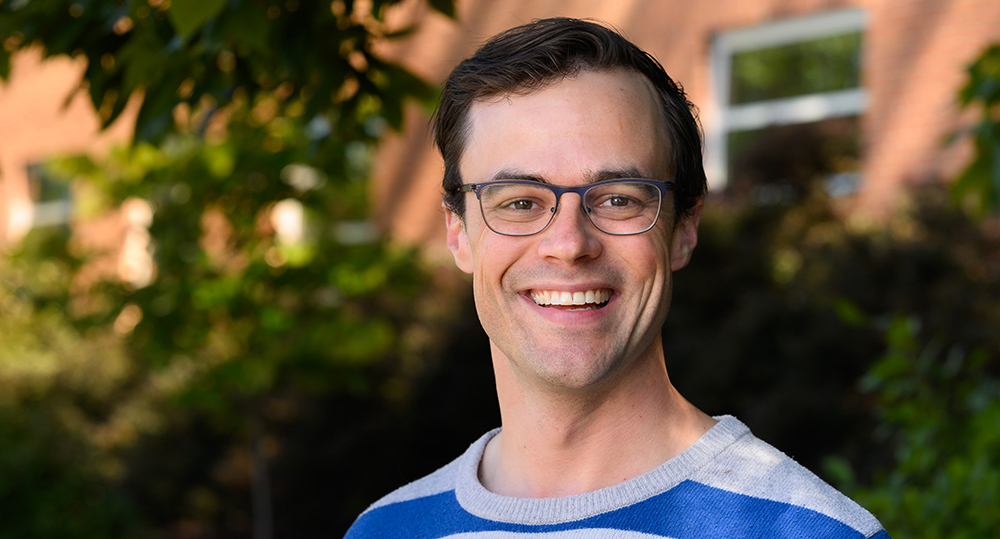
Wake Forest researcher Jason Fanning explains why framing physical activity as “movement” — not “exercise” — is key to helping older adults build lasting healthy habits and reduce chronic pain.
-

Professor Megan Bennett launches ambitious SPICE-D study to address food insecurity
For nearly four years, Megan Bennett has served as an assistant professor in Health and Exercise Science at Wake Forest. Yet her commitment to public health—and her two decades of research on chronic disease interventions—extends far beyond the classroom. This month, she’s launching her most ambitious project yet: Supporting People through Inclusive Cultural Eating for Diabetes, or SPICE-D. Bennett recently received an Academic Community Engagement (ACE) Fellowship(opens in a new tab), which will provide targeted support for the SPICE-D project.
-

We’re Putting Weighted Vests to the Test. Here’s What Our Research Shows.
Prof. Kristen Beavers discusses nearly a decade of Wake Forest research on weighted vests, their potential benefits for older adults losing weight, and what her landmark INVEST trial revealed about bone loss.
-
U.S. POINTER Study Shows Lifestyle Changes Improve Brain Health in Older Adults
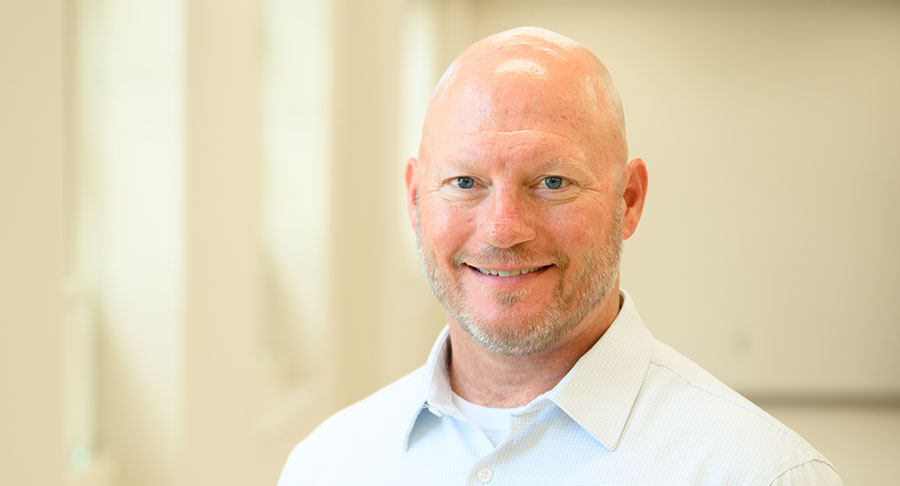
A landmark two-year trial involving 2,111 older adults found that structured lifestyle changes — including diet, exercise, and cognitive challenge — measurably improved brain health and cognition.
-
Weighted Vests Might Help Older Adults Meet Weight Loss Goals, but Solution for Bone Loss Still Elusive
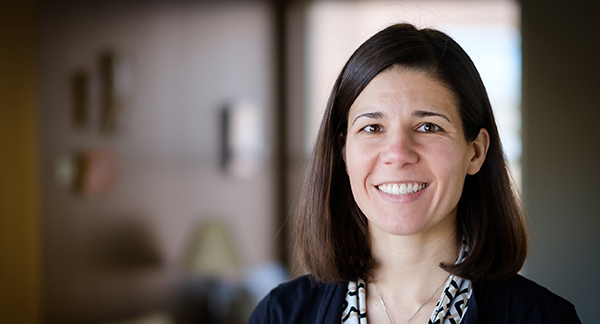
A Wake Forest-led clinical trial of 150 older adults found that wearing weighted vests during weight loss did not significantly prevent bone loss, highlighting the need for additional protective strategies.
-

WFU Study Investigating Ways to Prevent Osteoarthritis in Women
Wake Forest is recruiting women 50+ for a 48-month clinical study testing whether weight loss and exercise can prevent knee osteoarthritis — the leading cause of disability in adults — before it develops.
-

Can Small Bursts of Activity Throughout the Day Decrease Chronic Pain?
A $5.7 million NIH-funded Wake Forest study will track whether older adults with obesity and osteoarthritis can reduce chronic pain through incremental daily movement and nutrition coaching delivered entirely online.
-
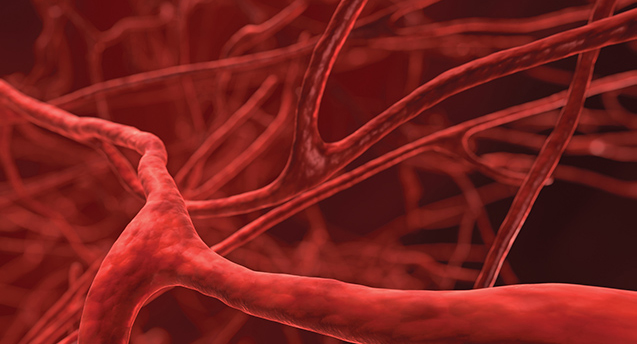
WFU Physicists, Physiologists and Physicians Developing Technology to Prevent ‘Device Thrombosis’
Wake Forest researchers are using far-red light to trigger nitric oxide production in dialysis tubing, potentially preventing dangerous blood clots that form in ICU patients during continuous kidney replacement therapy.
-
Can Weight Loss and Exercise Help Women Stave Off Osteoarthritis?
Wake Forest received $17.1 million to lead the first-ever study examining whether weight loss and exercise can prevent knee osteoarthritis in women — not just treat it after diagnosis.
-
New Hope for Treating Cardiovascular Diseases
Wake Forest physicist Daniel Kim-Shapiro and colleagues discovered how to stabilize nitric oxide in blood using glutathione, opening a potential new path for treating heart attack- and stroke-related blood vessel damage.