
Scientists from across the Amazon have delivered to Pope Leo XIV a briefing on mercury pollution in the region—documents that include the findings from decades of research at the Center for Amazonian Scientific Innovation (CINCIA), established in partnership with Wake Forest University’s Sabin Center for Environment and Sustainability.
Environment & Sustainability

Environment & Sustainability
At Wake Forest University, we believe that creating a sustainable future requires the full span of human knowledge and the strength of reciprocal partnership. When environmental science is brought into conversation with the humanities, social sciences, business, law, medicine, divinity, and the arts, we gain a fuller understanding of how people, places, and ecosystems flourish — and what it takes to protect them.
As communities around the world confront accelerating climate change, biodiversity loss, environmental degradation, and widening inequities in access to clean air, clean water, nutritious food, and safe living conditions, Wake Forest is embracing a whole-university approach to sustainability. We are uniting discovery with practice, theory with application, and campus with community to generate solutions that strengthen both human and planetary well-being.
Guided by our Pro Humanitate ethos, Wake Forest is cultivating an integrated ecosystem — one that includes the globally recognized Sabin Center for Environment and Sustainability, interdisciplinary academic programs, experiential learning opportunities, and deep community collaboration. This approach positions the university as a local-to-global nexus for environmental resilience, sustainable development, and planetary health.
We believe sustainable futures require not only scientific and technological insight, but also ethical reflection, cultural understanding, and a commitment to justice. A healthier planet is inseparable from human dignity, equitable partnership, and creative problem-solving.
This vision means:
- Bringing together the sciences, humanities, social sciences, business, law, medicine, divinity, and the arts to spark innovative collaborative solutions to the most pressing issues that humanity and the planet face.
- Connecting environmental science with policy, ethics, culture, and storytelling to promote stewardship, equity, and resilience.
- Working in authentic, reciprocal partnership with local, regional, and global communities to co-create solutions grounded in lived experience.
- Fostering understanding and cooperation across age groups and the full political spectrum.
- Transforming fundamental research into practical innovations that strengthen planetary health and support community well-being.
- Preparing students to lead with insight, courage and the ability to think across disciplines, engage diverse perspectives, and design sustainable solutions for a rapidly changing world.
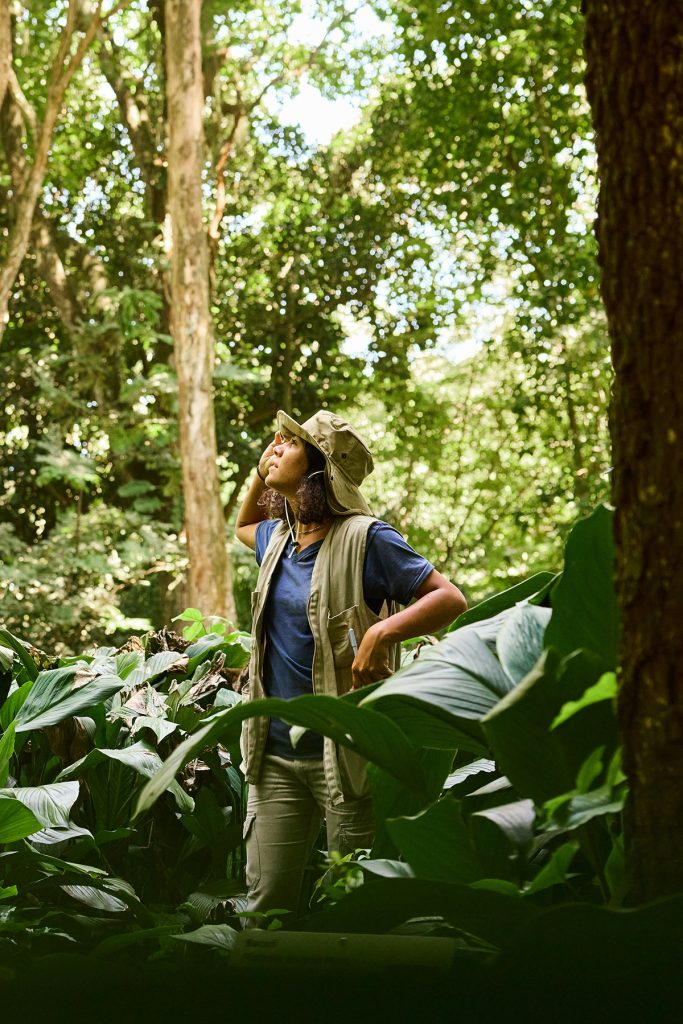
Wake Forest University brings remarkable strength to environment and sustainability, combining scientific innovation with deep roots in the social sciences, humanities, journalism, and the arts to produce graduates and research that address the defining ecological challenges of our time. (Click to learn more.)
At the heart of this work is the Andrew Sabin Family Center for Environment and Sustainability, which brings together over 100 faculty and fellows working toward a shared vision of a more sustainable, just, and abundantly wild world, with flagship initiatives spanning the Peruvian Amazon, global conservation strategy, and cutting-edge work merging AI and geospatial technologies to transform our understanding of Earth systems. The Department of Engineering contributes cutting-edge climate and sustainability research to this ecosystem: the Environmental Dynamics Lab investigates how changes in water availability impact ecosystem health, productivity, and sustainability, with interdisciplinary research spanning engineering, hydrology, biology, and ecology under different hydroclimatic scenarios such as hurricanes, droughts, and fires; while NASA-funded work by engineering faculty is mapping historic and future changes in coastal marshes with implications for global ocean modeling, and EPA-funded research is advancing urban stormwater nutrient management.
This institutional breadth is further demonstrated by the Environmental and Epistemic Justice Initiative (EEJI), a Mellon Foundation-funded, multi-pronged effort to develop a humanistic Science and Technology Studies curriculum that critically examines how race and regimes of racial knowledge shape scholarly practices, public policies, and normative concerns. The Environmental Law and Policy Clinic at the Law School exemplifies Pro Humanitate in action, with its Heirs’ Property Project providing free legal services to predominantly minority and low-income families across North Carolina at risk of losing their ancestral lands and homes Wake Forest Law — a radically collaborative effort engaging law, divinity, and undergraduate students together.
Undergirding all of this is Wake Forest’s nationally recognized Office of Sustainability — one of the leading campus sustainability programs in the country. Established in 2009, it has earned AASHE’s STARS Gold rating — the most widely recognized sustainability assessment framework for higher education — and in 2020 Wake Forest set an ambitious goal of achieving climate neutrality by 2040, having already reduced emissions nearly 50% from a 2007 baseline even as the campus has grown significantly, with a commitment to 100% renewable energy through a large-scale solar partnership expected to come online by late 2026.
All of these strengths converge in the highly interdisciplinary Environment and Sustainability Studies (ENV) Program, centered on the dynamic, generative space created by combining the natural sciences, humanities, and social sciences to address environmental challenges and act within communities for environmental justice, drawing on faculty expertise from more than 15 undergraduate departments as well as graduate programs in Arts and Sciences, Business, Divinity, and Law — ensuring that students graduate not only with the scientific literacy to understand the planet’s crises, but the ethical grounding and practical skills to address them.
Explore the Forest
More than a dozen programs and centers are advancing this work.
Stories
Showing up & taking action
-
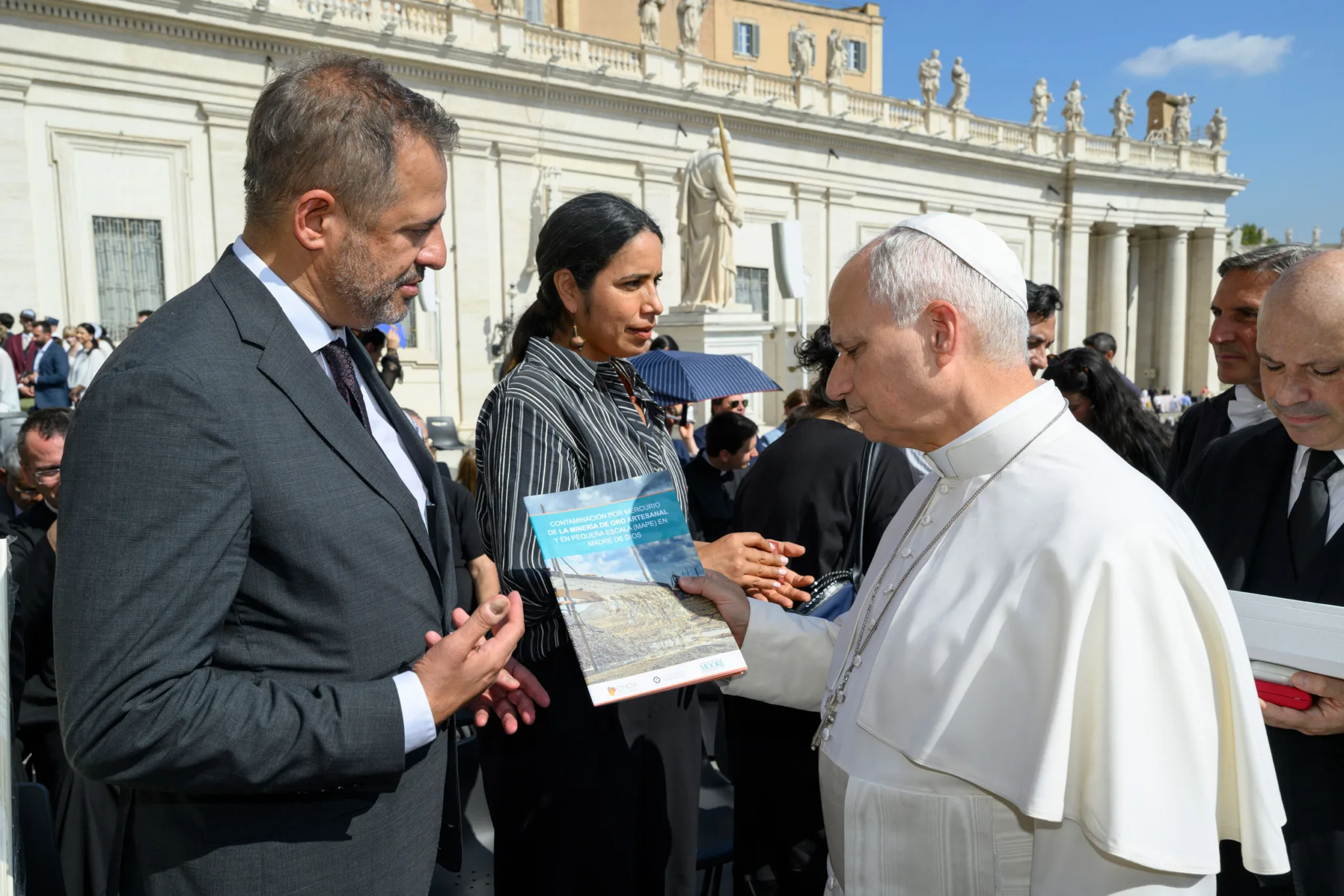
Wake Forest-CINCIA researchers brief pope on Amazon mercury pollution
-
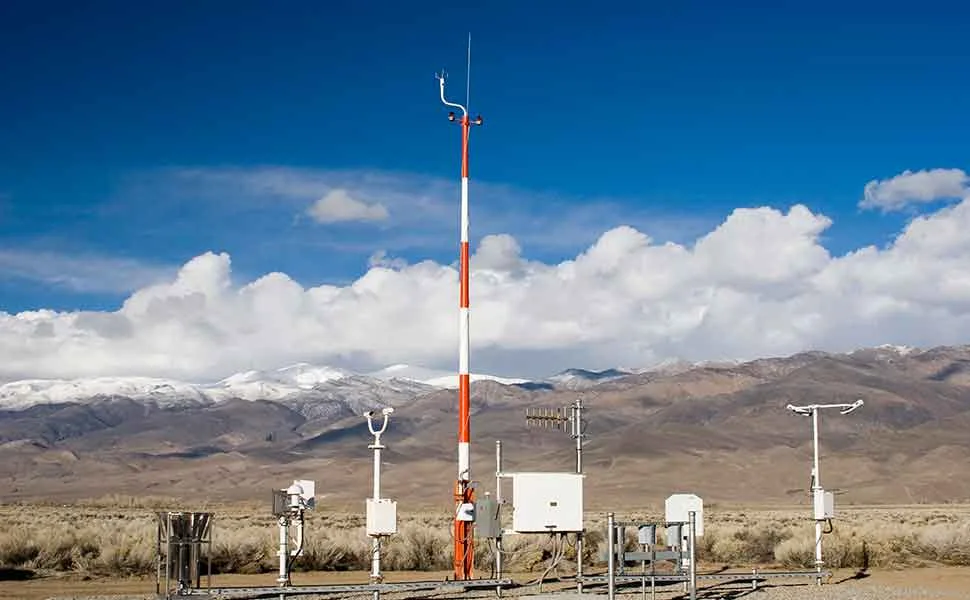
Temperature measurement error may cause climate-impact studies to understate impacts by 15% or more
When policymakers and city officials plan for climate change, they rely on economic studies showing how extreme heat impacts violent crime, public health, energy grids, and crop yields. However, a new study reveals a hidden problem in the research.
-
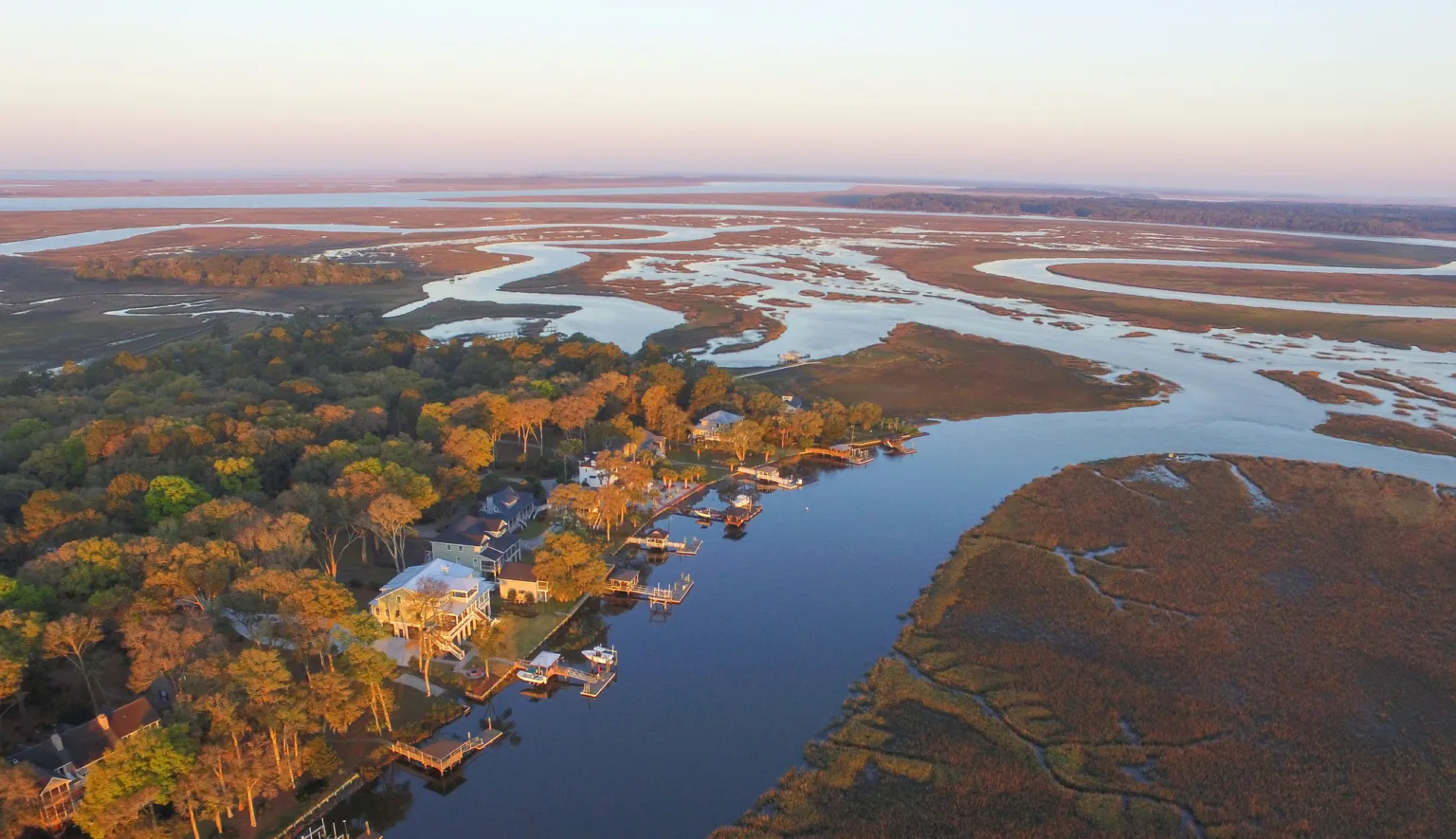
Eroding coastal marshes leak billions of pounds of carbon, new research finds
Wake Forest-led study pinpoints a hidden carbon source stretching from Texas to Maine
-
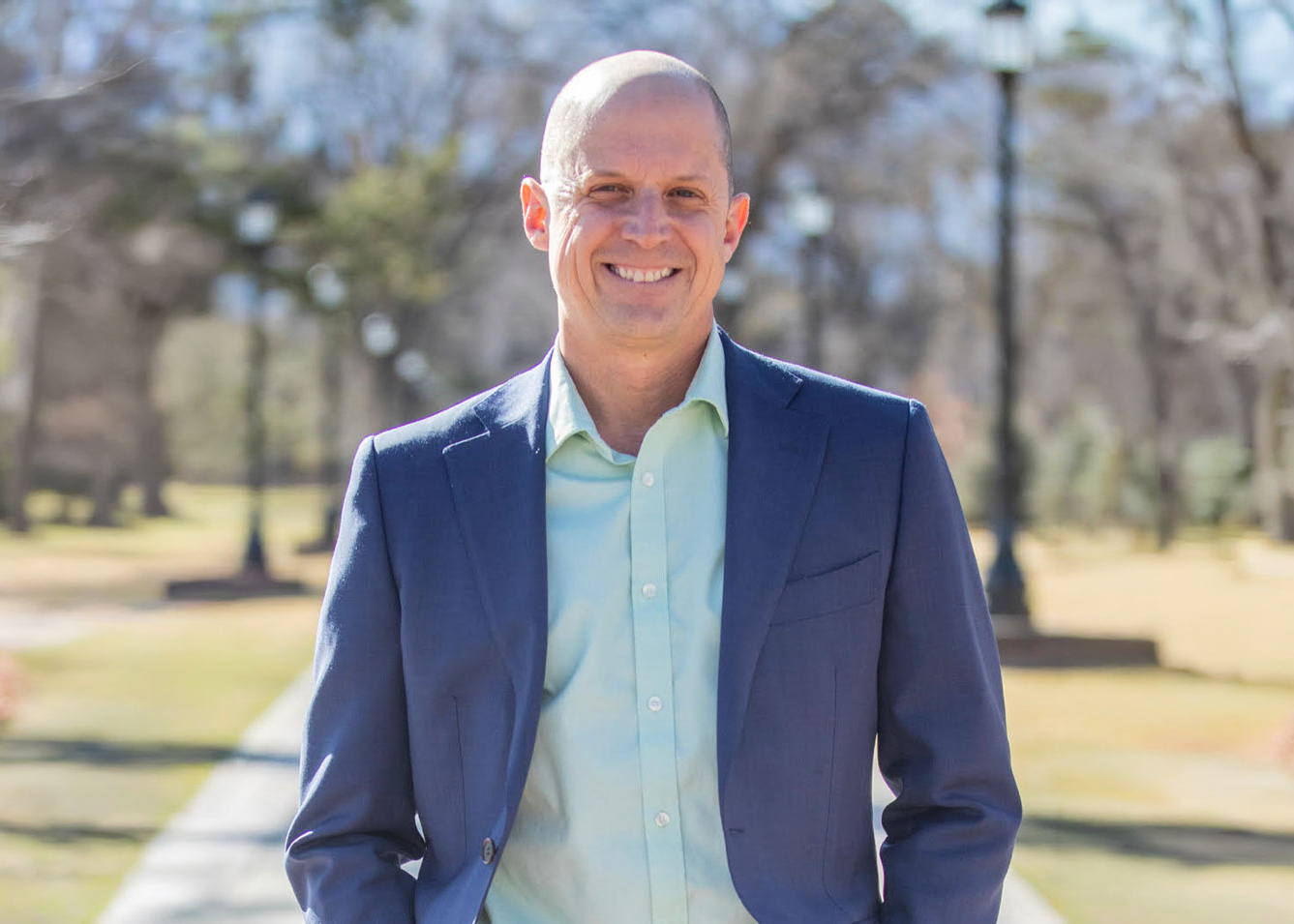
Alan Townsend to head Wake Forest Sabin Family Center for Environment and Sustainability
Prominent ecosystem scientist and author Alan Townsend, Ph.D., will lead the Andrew Sabin Family Center for Environment and Sustainability(opens in a new tab), Wake Forest University announced today following a national search.
-
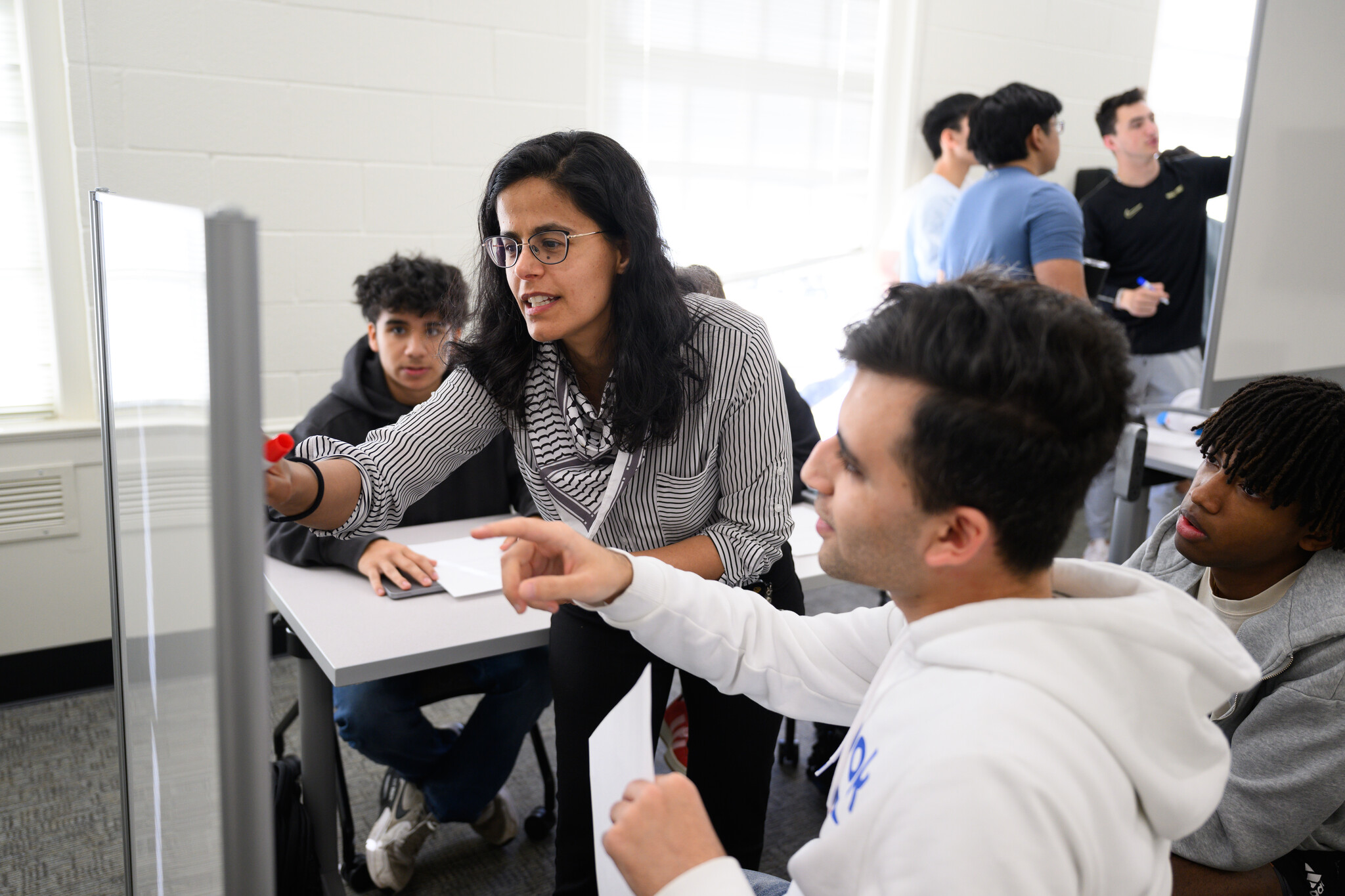
Explainer: The Possibilities of Multi-Agent AI
Exciting news and foreboding warnings abound alongside the accelerated development of Artificial Intelligence these days. Multi-Agent AI (MAAI), which consists of networks of AI agents operating together in a dynamic environment, is no exception. Sabin Center Faculty Affiliate Sarra Alqahtani recently received a National Science Foundation CAREER award to help advance the safety and reliability of MAAI through an approach known as Multi-Agent Reinforcement Learning (MARL).
-
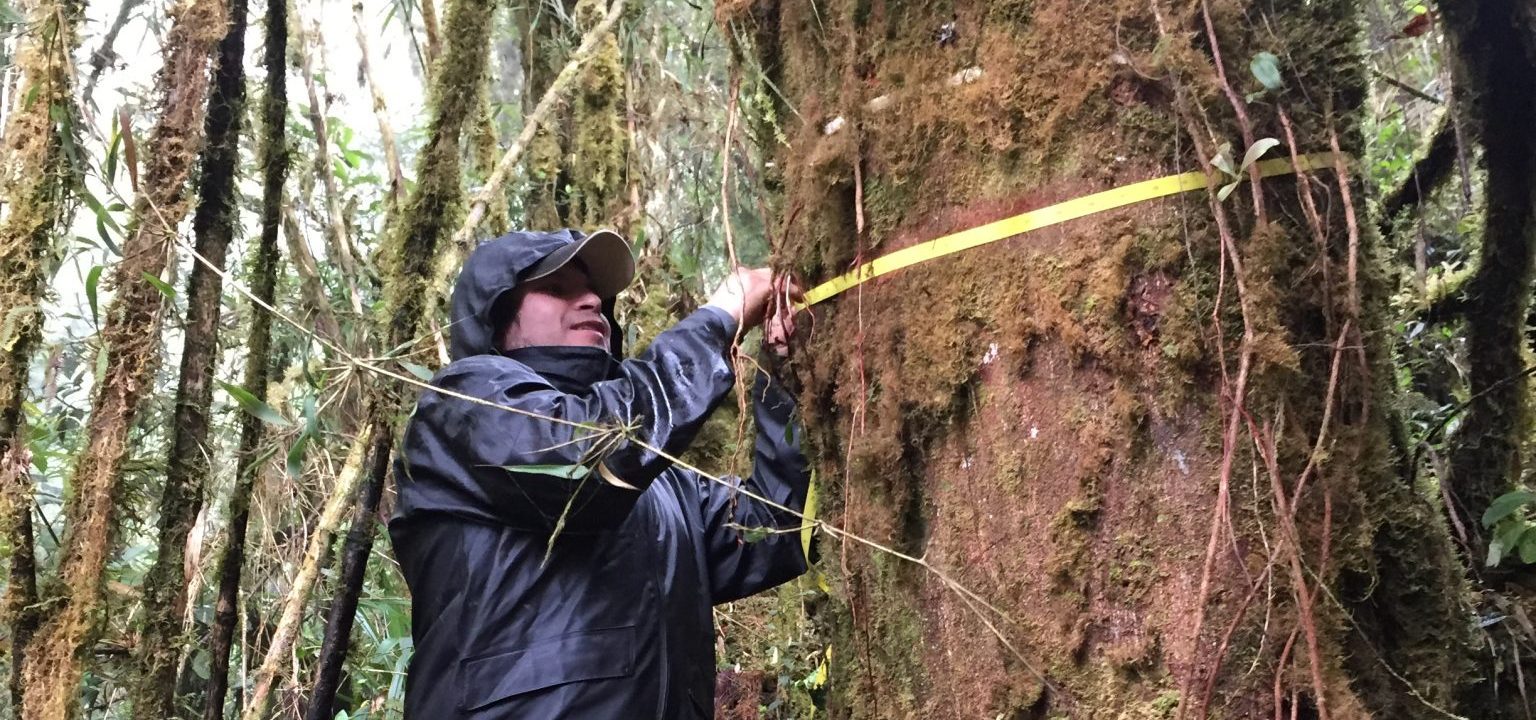
Explainer: Andes Amazon Forests Struggle to Adapt to Climate Change
In a recent explainer from our colleagues at Wake Forest News, Sabin Center Fellow William Farfan-Rios talks us through how Andes Amazon forests struggle to adapt to the challenges of climate change. With four decades of monitoring data across a massive transect covering 3,500 meters in elevational range — from lowland Amazonian forests to the Andean tree line over two miles above it — Farfan-Rios and his fellow researchers at the Andes Biodiversity and Ecosystem Research Group (ABERG) have a wealth of insights into the ecosystem over time and space.
-
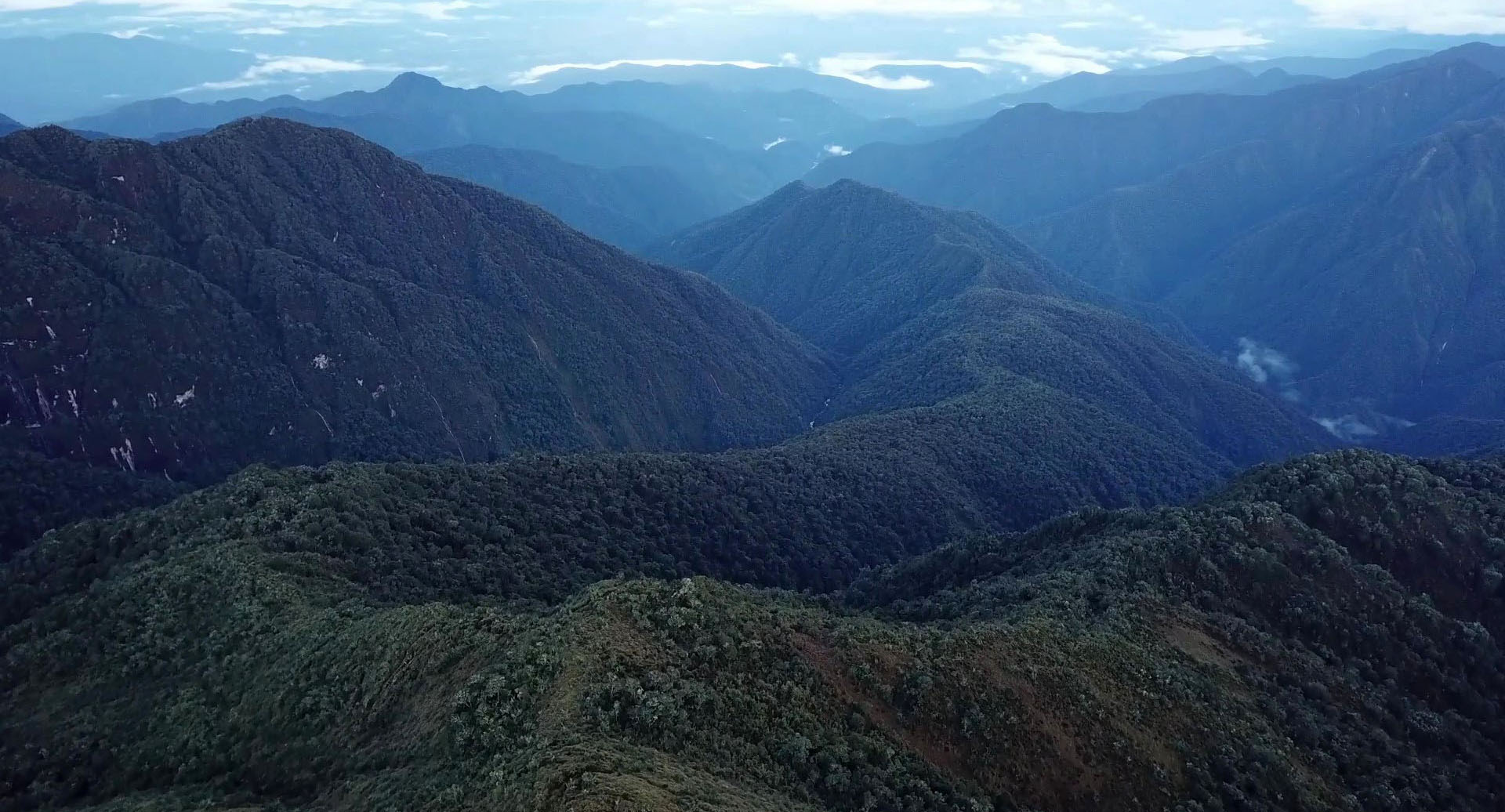
Can Amazon and Andean Trees Move to Survive Climate Change?
A Wake Forest-led study spanning 40+ years of forest monitoring finds that tree communities in the Amazon and Andes are accumulating a “climatic debt” — falling far behind the pace of warming with major implications for global biodiversity.
-

Heat Waves Are Here. Can Tomatoes Keep Up?
Wake Forest biology professor Gloria Muday studies how extreme heat causes tomato pollen to fail and is developing heat-tolerant varieties rich in protective antioxidants — research with major implications for the global food supply.
-
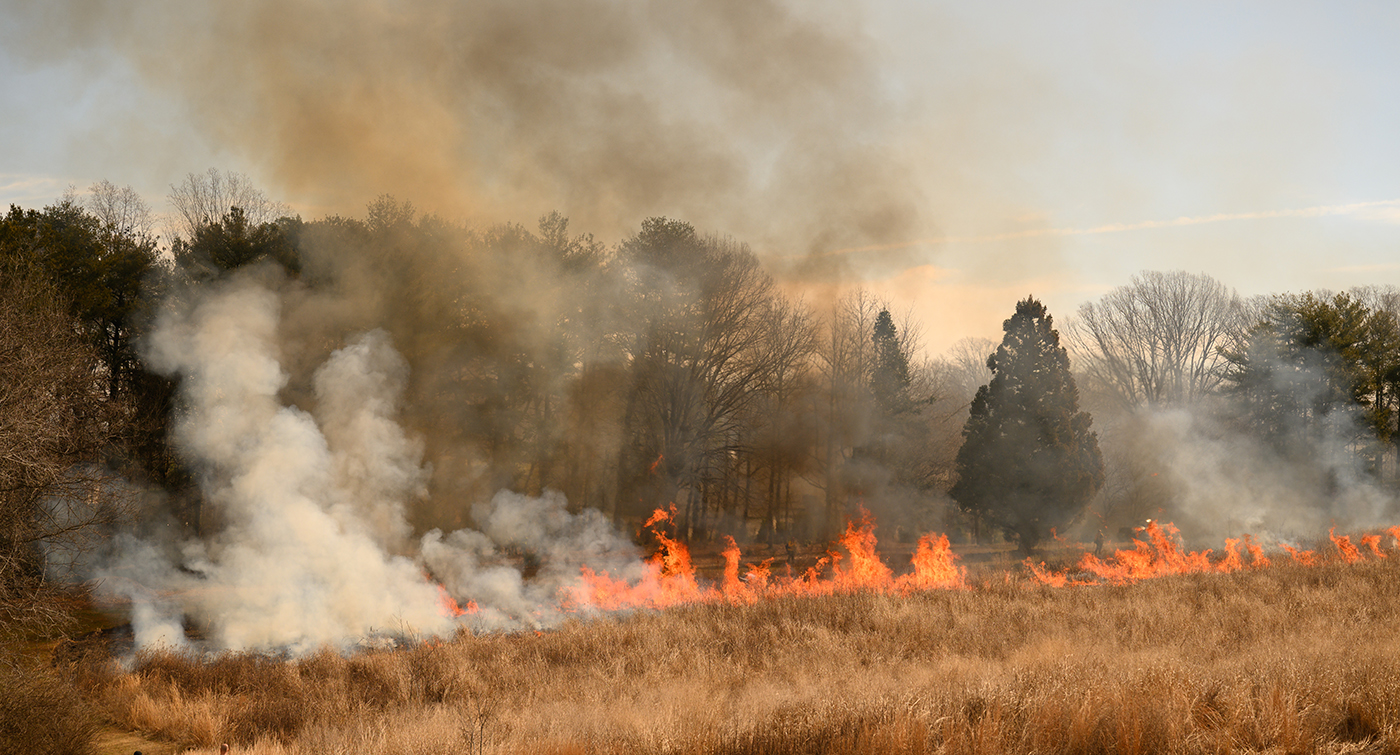
What’s Fueling Wildfires in the Southeast?
Wake Forest civil engineering professor Lauren Lowman explains how “weather whiplash” — rapid swings between drought and flooding — is fueling more frequent Southeast wildfires, and why fire is actually essential to native ecosystems.
-

WFU Environmental Justice Summit to Feature Civil Rights Activist Rev. Ben Chavis
Rev. Ben Chavis, who coined the term “environmental racism,” will keynote Wake Forest’s Environmental Justice Summit, joining scholars and frontline activists for a day of dialogue on equity, energy justice, and Indigenous rights.
-
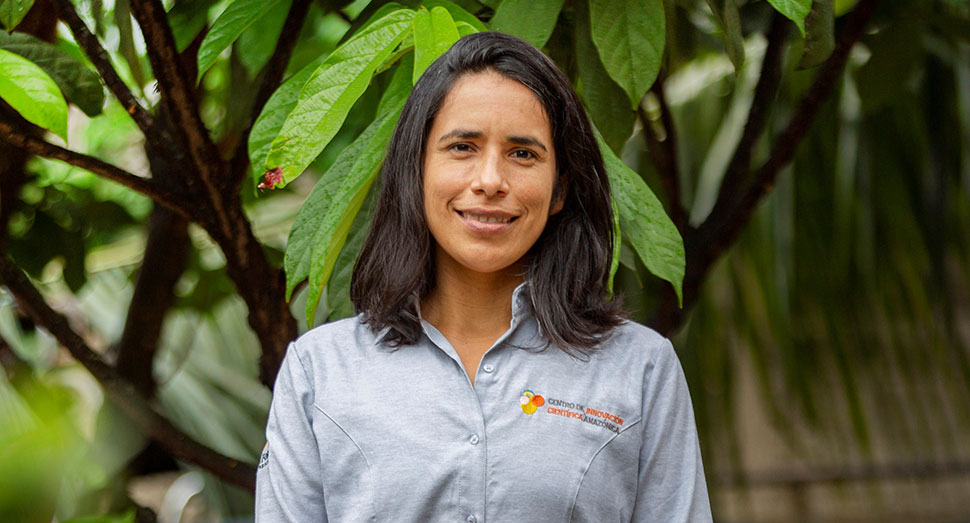
Claudia Vega Named 2025 TED Fellow for Work on Mercury Pollution in the Amazon
Wake Forest-affiliated researcher Claudia Vega was named a 2025 TED Fellow for her groundbreaking science on mercury contamination from illegal gold mining in the Amazon and its devastating effects on food chains and Indigenous communities.
-
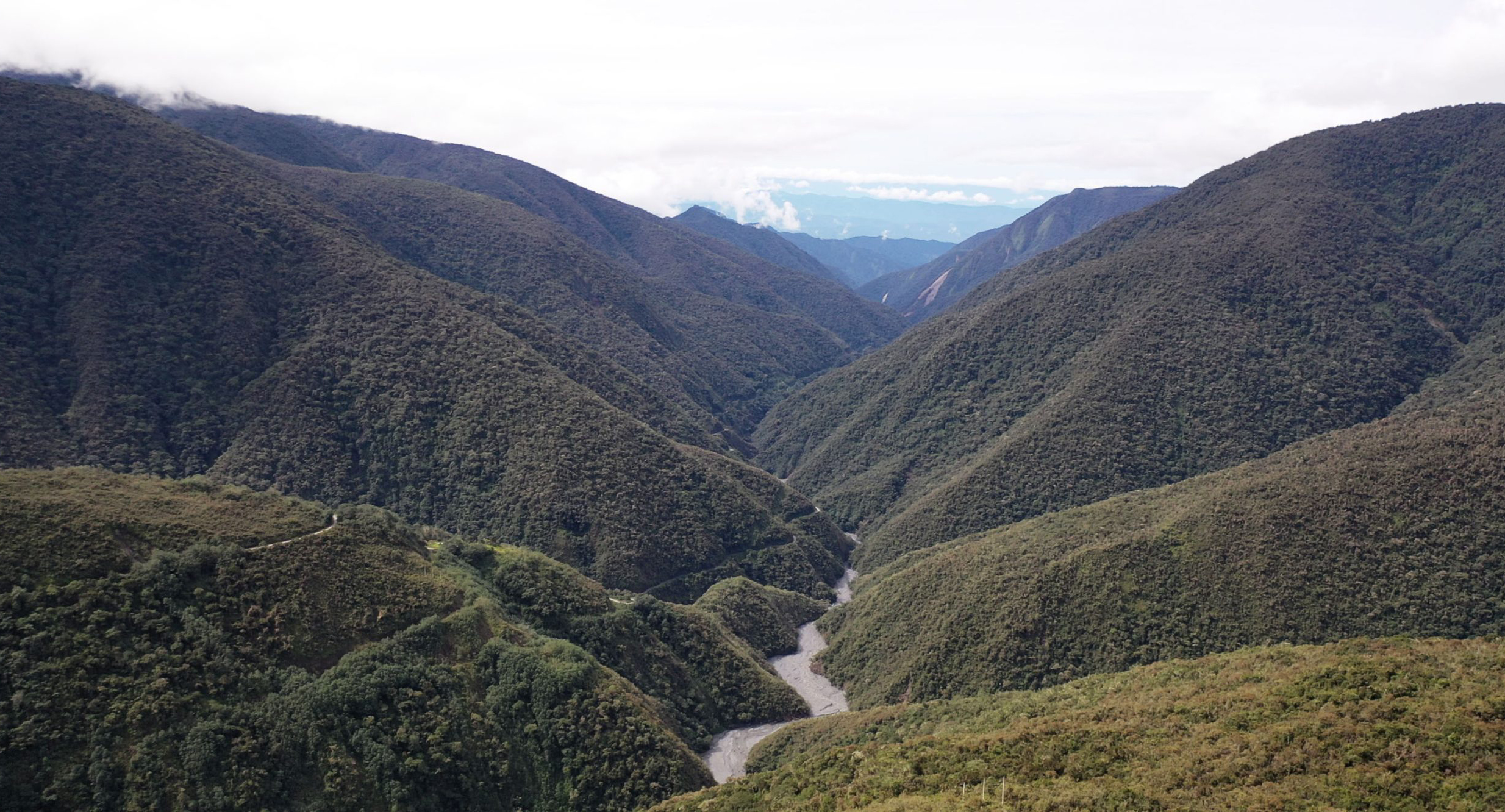
Tropical Forests Are Struggling to Keep Pace with Climate Change
A major study co-authored by Wake Forest researchers — analyzing 250,000+ trees across the Americas — finds that tropical forests are changing too slowly to stay in equilibrium with rapidly shifting temperatures and rainfall.