
A $300,000 Wells Fargo Foundation grant supports Wake Forest Law’s Heirs’ Property Project, which helps minority and low-income North Carolinians resolve inherited land ownership disputes and protect generational wealth.
Environment & Sustainability

Environment & Sustainability
At Wake Forest University, we believe that creating a sustainable future requires the full span of human knowledge and the strength of reciprocal partnership. When environmental science is brought into conversation with the humanities, social sciences, business, law, medicine, divinity, and the arts, we gain a fuller understanding of how people, places, and ecosystems flourish — and what it takes to protect them.
As communities around the world confront accelerating climate change, biodiversity loss, environmental degradation, and widening inequities in access to clean air, clean water, nutritious food, and safe living conditions, Wake Forest is embracing a whole-university approach to sustainability. We are uniting discovery with practice, theory with application, and campus with community to generate solutions that strengthen both human and planetary well-being.
Guided by our Pro Humanitate ethos, Wake Forest is cultivating an integrated ecosystem — one that includes the globally recognized Sabin Center for Environment and Sustainability, interdisciplinary academic programs, experiential learning opportunities, and deep community collaboration. This approach positions the university as a local-to-global nexus for environmental resilience, sustainable development, and planetary health.
We believe sustainable futures require not only scientific and technological insight, but also ethical reflection, cultural understanding, and a commitment to justice. A healthier planet is inseparable from human dignity, equitable partnership, and creative problem-solving.
This vision means:
- Bringing together the sciences, humanities, social sciences, business, law, medicine, divinity, and the arts to spark innovative collaborative solutions to the most pressing issues that humanity and the planet face.
- Connecting environmental science with policy, ethics, culture, and storytelling to promote stewardship, equity, and resilience.
- Working in authentic, reciprocal partnership with local, regional, and global communities to co-create solutions grounded in lived experience.
- Fostering understanding and cooperation across age groups and the full political spectrum.
- Transforming fundamental research into practical innovations that strengthen planetary health and support community well-being.
- Preparing students to lead with insight, courage and the ability to think across disciplines, engage diverse perspectives, and design sustainable solutions for a rapidly changing world.
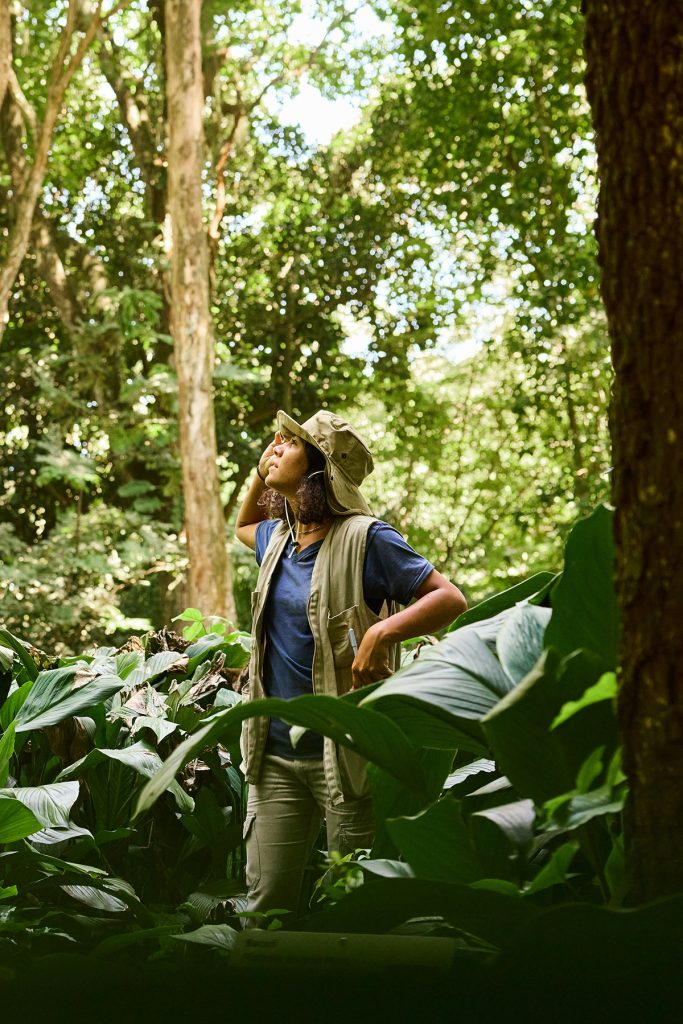
Wake Forest University brings remarkable strength to environment and sustainability, combining scientific innovation with deep roots in the social sciences, humanities, journalism, and the arts to produce graduates and research that address the defining ecological challenges of our time. (Click to learn more.)
At the heart of this work is the Andrew Sabin Family Center for Environment and Sustainability, which brings together over 100 faculty and fellows working toward a shared vision of a more sustainable, just, and abundantly wild world, with flagship initiatives spanning the Peruvian Amazon, global conservation strategy, and cutting-edge work merging AI and geospatial technologies to transform our understanding of Earth systems. The Department of Engineering contributes cutting-edge climate and sustainability research to this ecosystem: the Environmental Dynamics Lab investigates how changes in water availability impact ecosystem health, productivity, and sustainability, with interdisciplinary research spanning engineering, hydrology, biology, and ecology under different hydroclimatic scenarios such as hurricanes, droughts, and fires; while NASA-funded work by engineering faculty is mapping historic and future changes in coastal marshes with implications for global ocean modeling, and EPA-funded research is advancing urban stormwater nutrient management.
This institutional breadth is further demonstrated by the Environmental and Epistemic Justice Initiative (EEJI), a Mellon Foundation-funded, multi-pronged effort to develop a humanistic Science and Technology Studies curriculum that critically examines how race and regimes of racial knowledge shape scholarly practices, public policies, and normative concerns. The Environmental Law and Policy Clinic at the Law School exemplifies Pro Humanitate in action, with its Heirs’ Property Project providing free legal services to predominantly minority and low-income families across North Carolina at risk of losing their ancestral lands and homes Wake Forest Law — a radically collaborative effort engaging law, divinity, and undergraduate students together.
Undergirding all of this is Wake Forest’s nationally recognized Office of Sustainability — one of the leading campus sustainability programs in the country. Established in 2009, it has earned AASHE’s STARS Gold rating — the most widely recognized sustainability assessment framework for higher education — and in 2020 Wake Forest set an ambitious goal of achieving climate neutrality by 2040, having already reduced emissions nearly 50% from a 2007 baseline even as the campus has grown significantly, with a commitment to 100% renewable energy through a large-scale solar partnership expected to come online by late 2026.
All of these strengths converge in the highly interdisciplinary Environment and Sustainability Studies (ENV) Program, centered on the dynamic, generative space created by combining the natural sciences, humanities, and social sciences to address environmental challenges and act within communities for environmental justice, drawing on faculty expertise from more than 15 undergraduate departments as well as graduate programs in Arts and Sciences, Business, Divinity, and Law — ensuring that students graduate not only with the scientific literacy to understand the planet’s crises, but the ethical grounding and practical skills to address them.
Explore the Forest
More than a dozen programs and centers are advancing this work.
Stories
Showing up & taking action
-
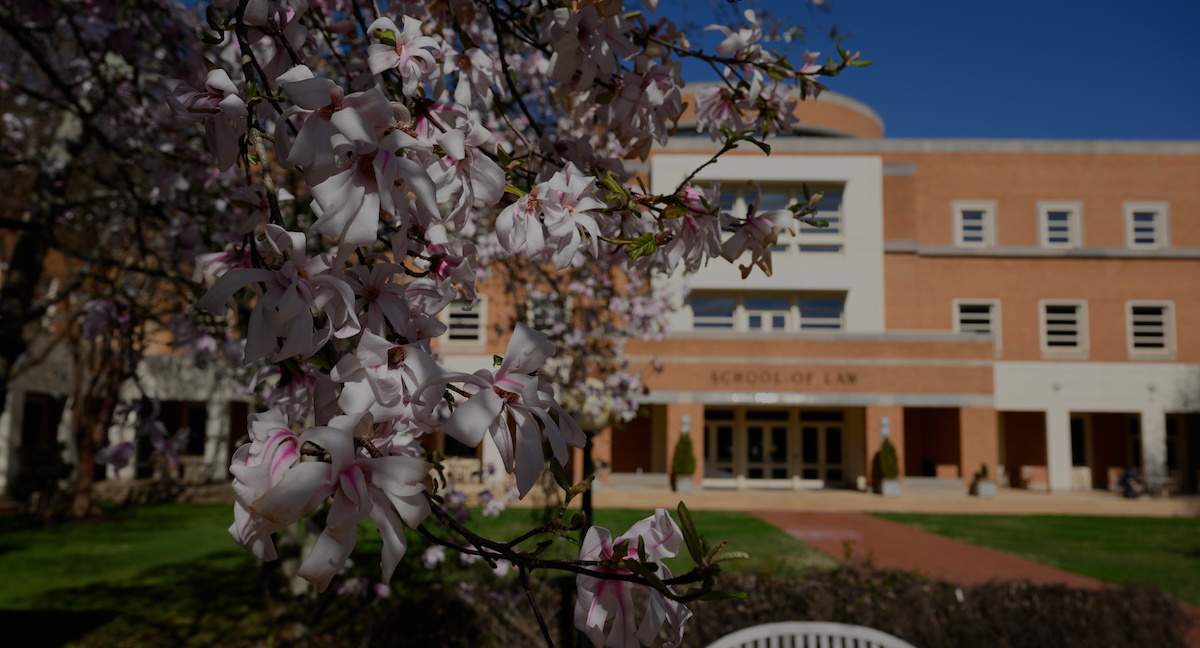
Philanthropy: Sleeves Up for Saving At-Risk Ancestral Lands and Homes
-
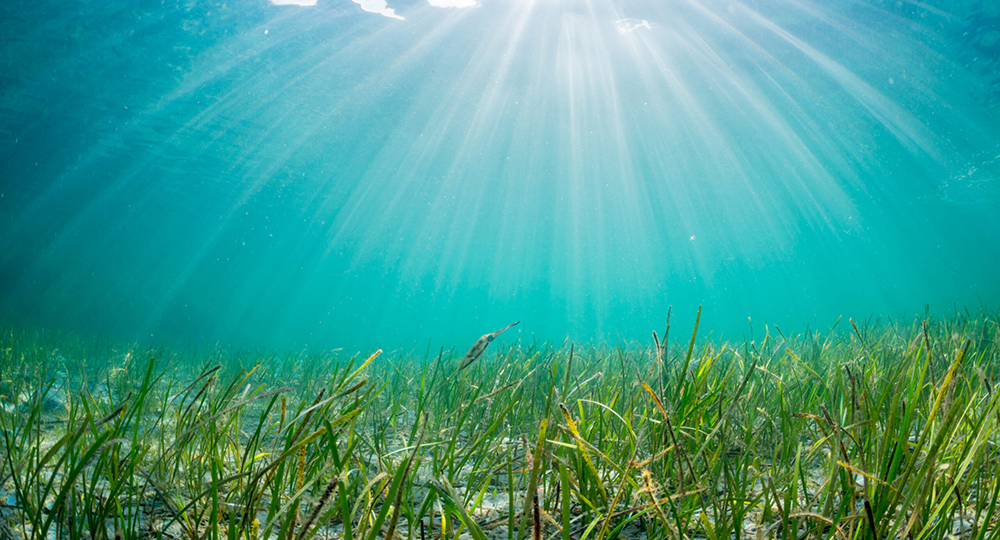
When Marine Algae Get Sick: How Viruses Shape Microbe Interactions
A new Wake Forest-involved study published in Nature Microbiology reveals that virus-infected ocean microbes release chemical signals that attract other bacteria before they die, reshaping our understanding of the marine food web.
-
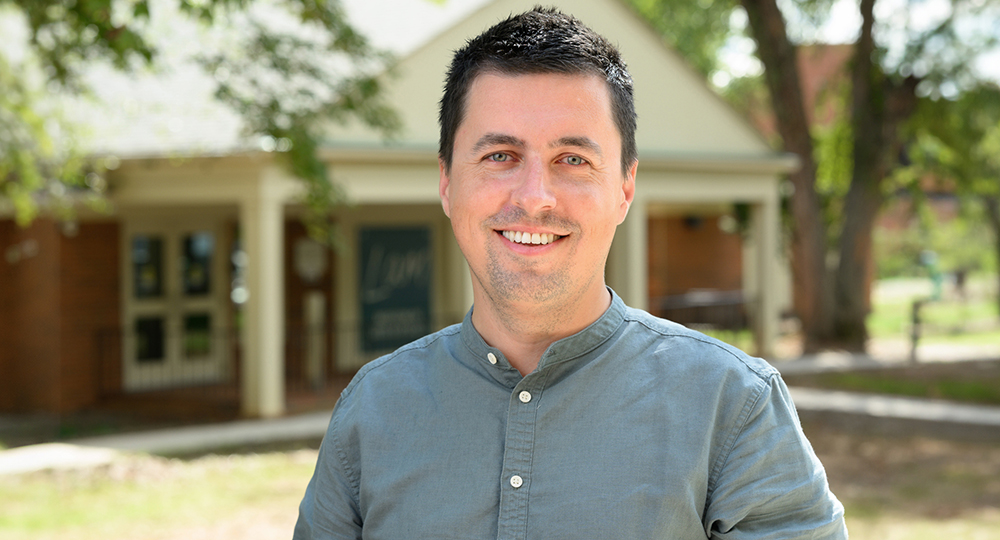
WFU Researcher Ovidiu Csillik to Collaborate on NASA-Funded Project
Wake Forest remote sensing expert Ovidiu Csillik joins a $1 million NASA-funded team using lidar technology to produce the most accurate measurements yet of carbon storage changes in tropical forests over time.
-
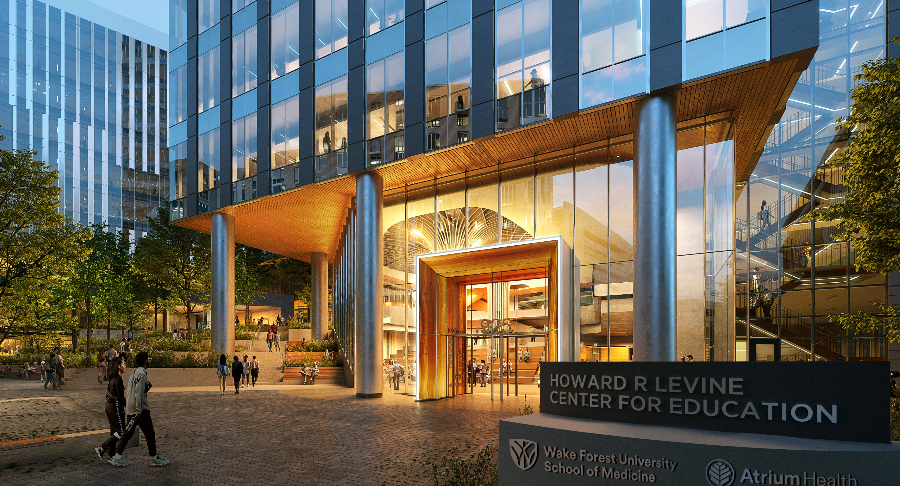
Prescription for the Planet: ‘Net-Zero Carbon’ Medical Education
Wake Forest University School of Medicine’s new Charlotte campus is set to become the nation’s first net-zero medical school, embedding sustainability into both building design and the curriculum future physicians will learn.
-

How to Think About the Planet
Wake Forest Magazine profiles five faculty across engineering, communication, English, statistics, and environmental policy whose courses challenge students to examine their relationship with nature — from Winston-Salem floodplains to the Serengeti.
-
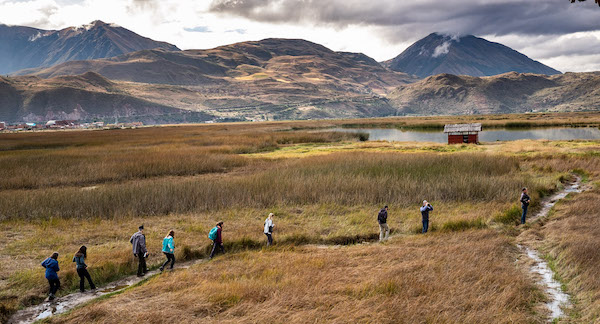
Into the Wild of Peru
Wake Forest biology professor Miles Silman and journalism professor Justin Catanoso take students deep into the Peruvian Amazon to experience its breathtaking biodiversity firsthand — and document the destruction threatening it.