Centers, Institutes & Strategic Initiatives
At Wake Forest, we believe the most transformative ideas emerge when diverse minds converge. Our commitment to interdisciplinary research is a natural extension of our Pro Humanitate mission—to use our knowledge and curiosity for the betterment of humanity. By dismantling traditional academic silos, we empower our faculty and students to tackle complex, “grand challenge” problems that no single discipline can solve alone.
A Culture of Collaboration
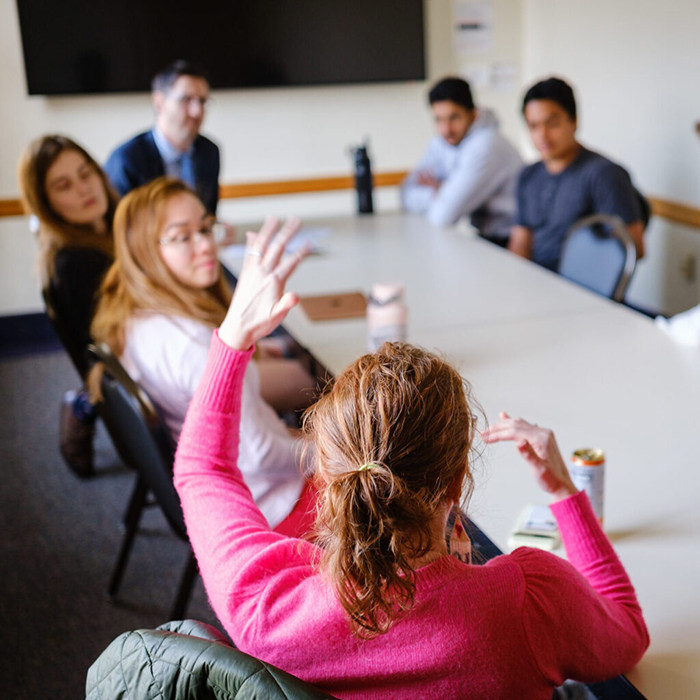
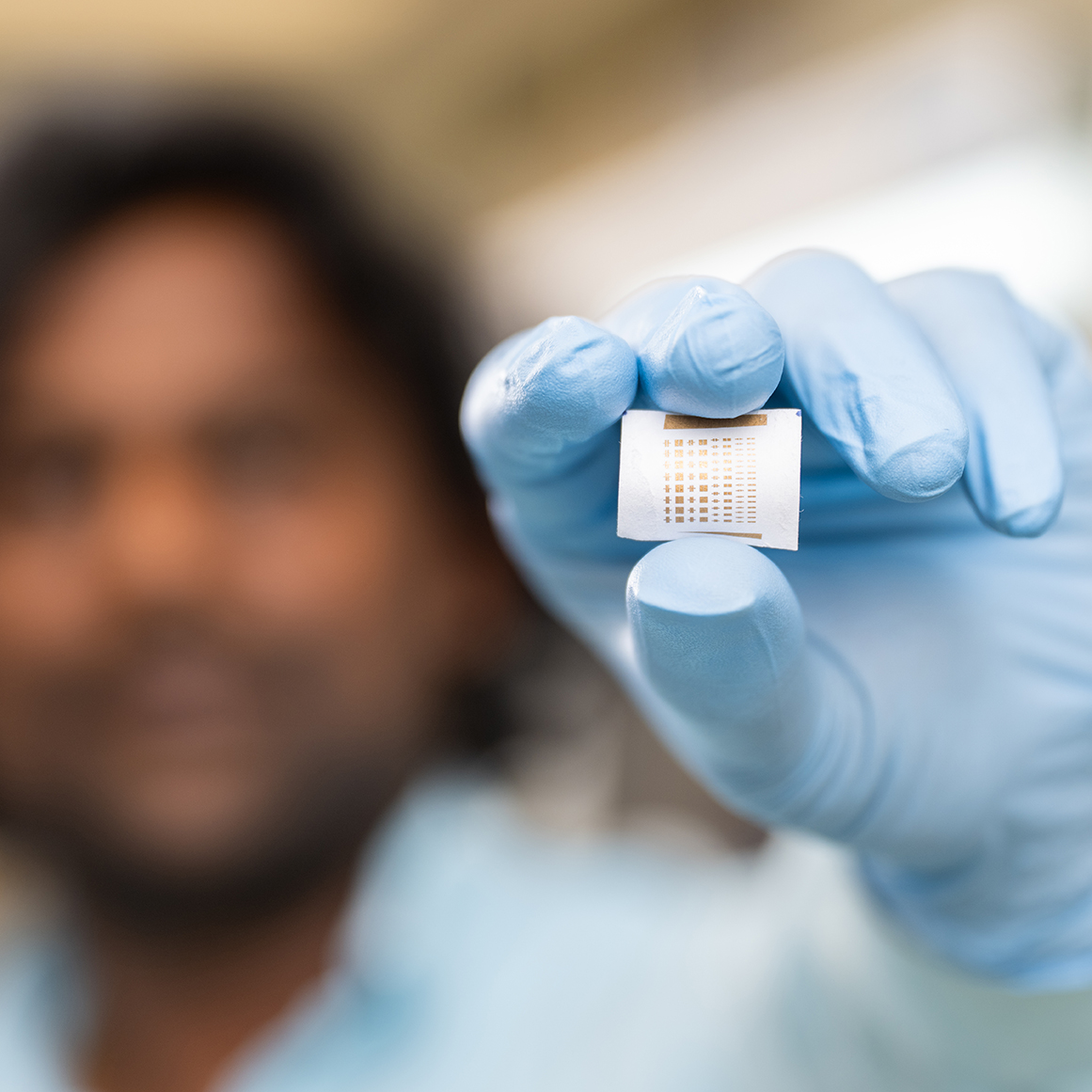
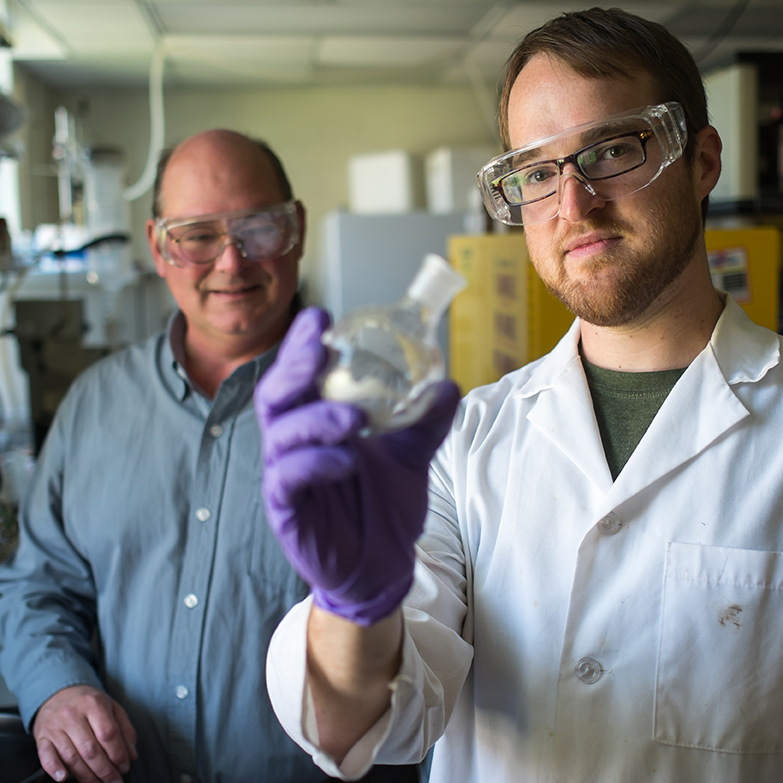
Our research ecosystem is built upon the Teacher-Scholar ideal, where world-class faculty don’t just teach—they partner with students and colleagues to advance the frontiers of knowledge. Whether it’s a chemist and her students working with an artist to explore the properties of light, or a business professor collaborating with a neuroscientist and his students on consumer behavior, these partnerships create a fertile ground for innovation.
Centers & Institutes: The Nexus for Interdisciplinary Inquiry
The Office of the Provost sponsors specialized hubs that serve as the university’s primary engines for cross-school inquiry. Unlike traditional academic departments, these entities are designed to bridge different schools—such as the College of Arts and Sciences, the Schools of Business, Divinity, Law, Medicine and Professional Studies—to tackle complex societal challenges that a single discipline cannot solve alone.
They operate under the leadership of the Office of the Provost and are categorized into two distinct types—centers or institutes—based on their scope and governance.
Strategic Initiatives: Shaping the Future of Academic Excellence
Wake Forest University’s commitment to fostering research and scholarship that address society’s most pressing challenges is being articulated through a cross-campus Visioning Process that has birthed ambitious aspirations for five areas of excellence identified in our Strategic Framework. These areas build upon Wake Forest’s academic strengths, enhance interdisciplinary collaboration, expand experiential learning opportunities, reimagine our community partnerships, and position the University as a leader in transformative research.